Healthcare is built on uncertainty. Every diagnosis, prognosis and treatment decision relies on incomplete information and imperfect judgement. AI promises something medicine has long sought: greater precision, consistency and confidence.
But this isn't a debate about whether algorithms can outperform clinicians. It's about how clinicians and data scientists recognise, communicate and manage uncertainty, and the blind spots each brings.
Clinicians make decisions under pressure, balancing evidence, experience, context and patient values. Yet medicine has its own forms of overconfidence, and not every clinician is trained to acknowledge uncertainty, quantify risk or use data to improve performance.
Data scientists have rigorous methods for measuring confidence, calibration, error rates, bias and drift. But AI is often presented as objective and precise, even when it's shaped by messy data, hidden assumptions and changing clinical environments.
So who is more honest about uncertainty: the clinician at the bedside or the data scientist behind the model? More importantly, how can clinicians, data scientists, researchers and industry leaders work together in a field where uncertainty isn't a flaw, it's the reality?
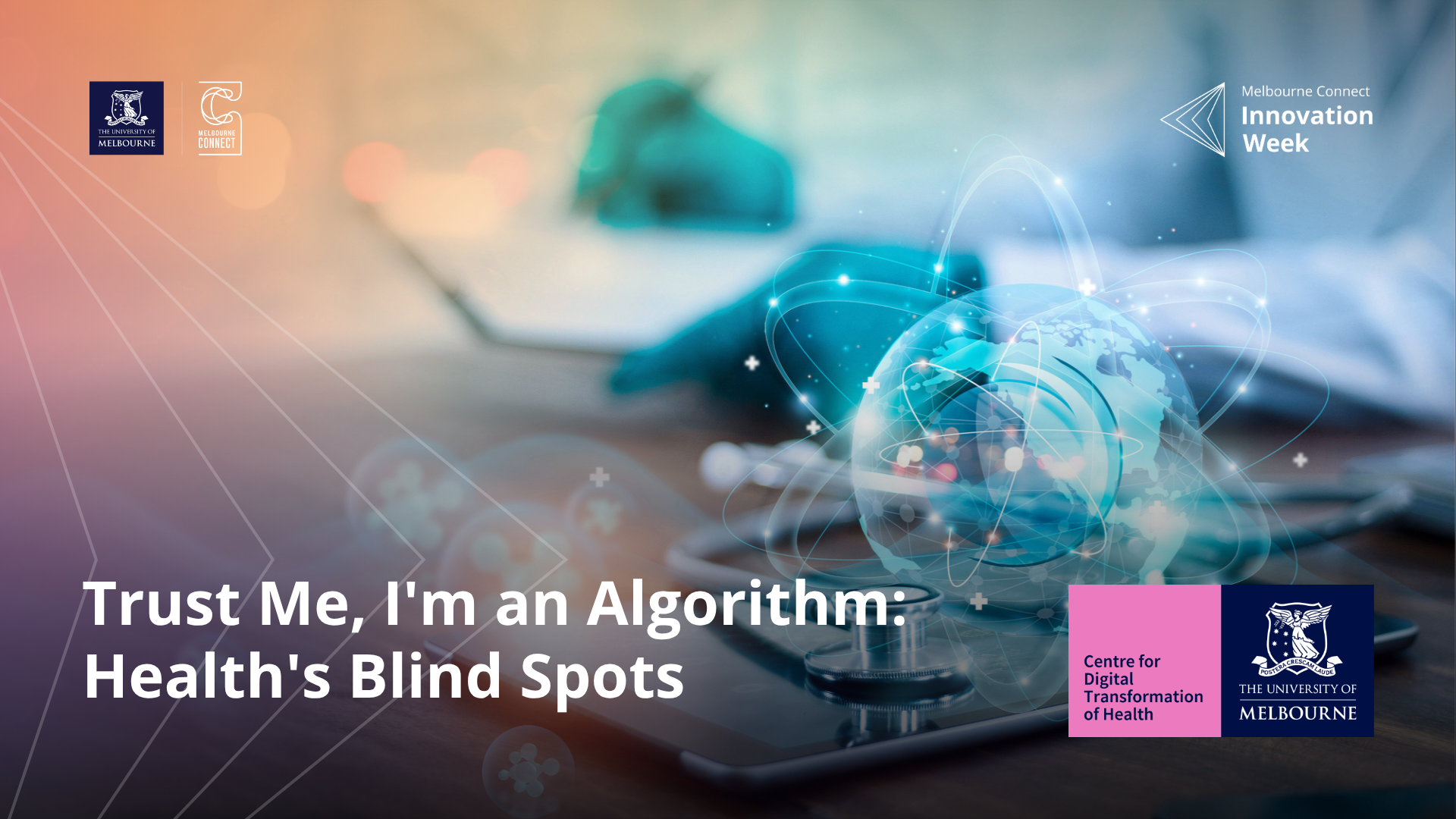
Join clinicians, data scientists, researchers and industry leaders as they explore where medicine and AI succeed, where they fall short, and what it will take to make better decisions together in a healthcare system where uncertainty is the only certainty.
We thank CHICC, powered by ANDHealth, for supporting this event as Networking Sponsor.

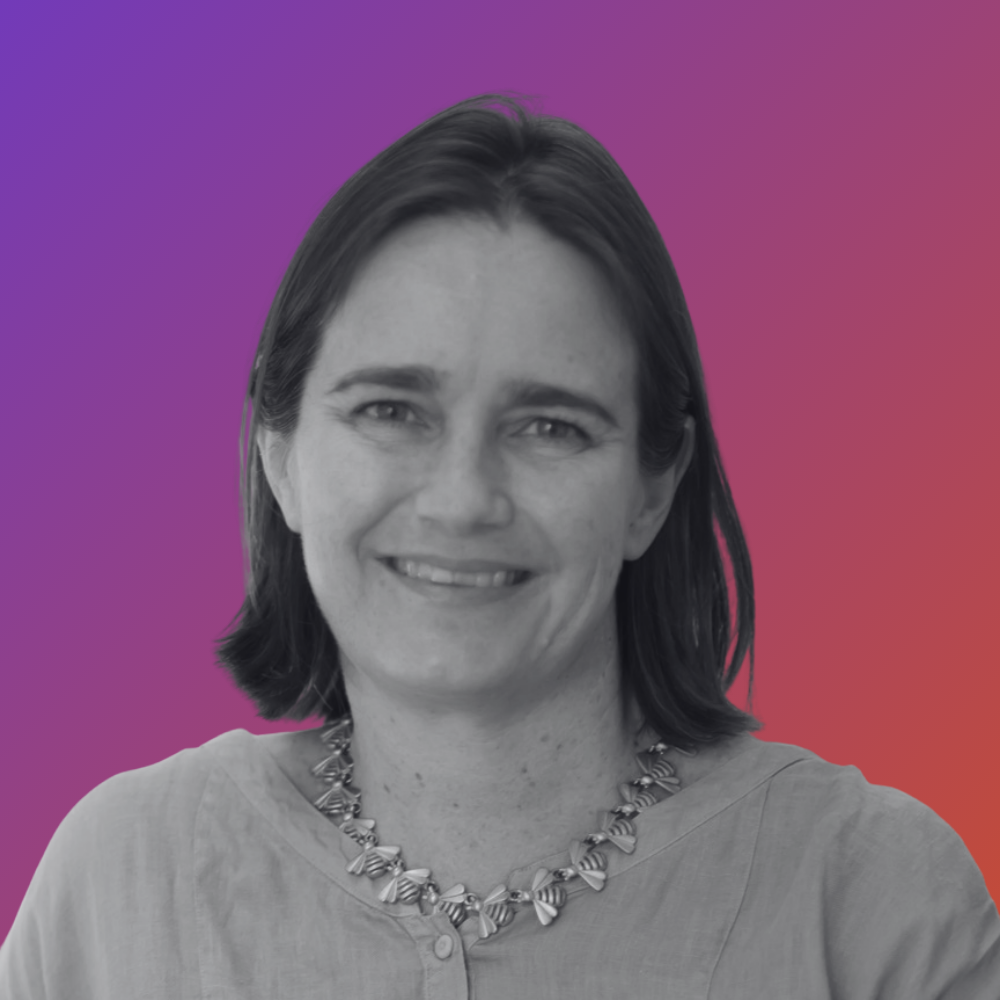
Impact Domain Academic Lead, Transforming Healthcare, Faculty of Medicine, Dentistry and Health Sciences, the University of Melbourne
Professor Harriet Hiscock is a consultant paediatrician and Fellow of the Australian Academy of Health and Medical Sciences. She is Academic Lead, Transforming Healthcare Impact Domain at the University of Melbourne and Group Leader, Health Services and Economics group at Murdoch Children's Research Institute.
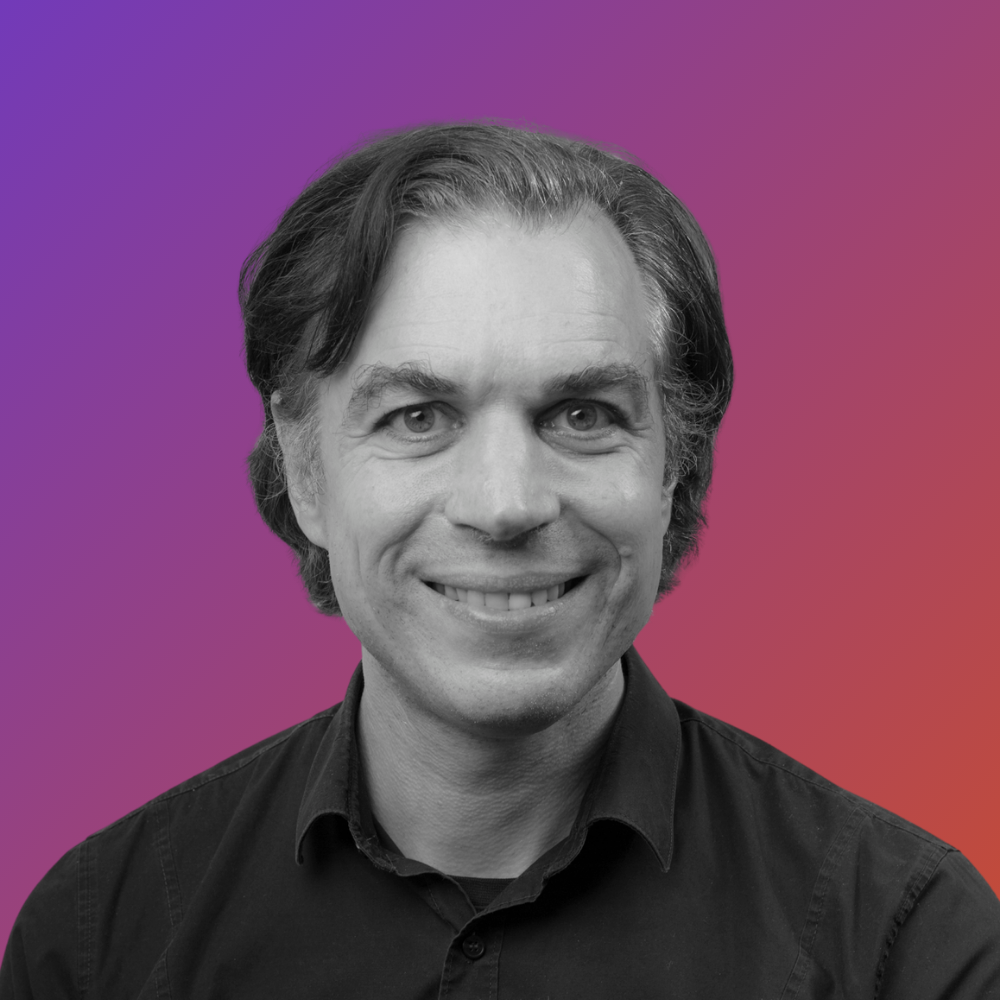
Head of School, School of Computing and Information Systems, the University of Melbourne
Professor Uwe Aickelin is an expert in Artificial Intelligence and Data Mining for Medicine. He is currently the Deputy Director of the ARC Industrial Transformation Research Hub for Digital Bioprocess Development, the Deputy Director of the VHESIF Faster, Smarter Pharma & Food Manufacturing Programme and a key Chief Investigator of the ARC Training Centre in Optimisation Technologies, Integrated Methodologies, and Applications (OPTIMA).
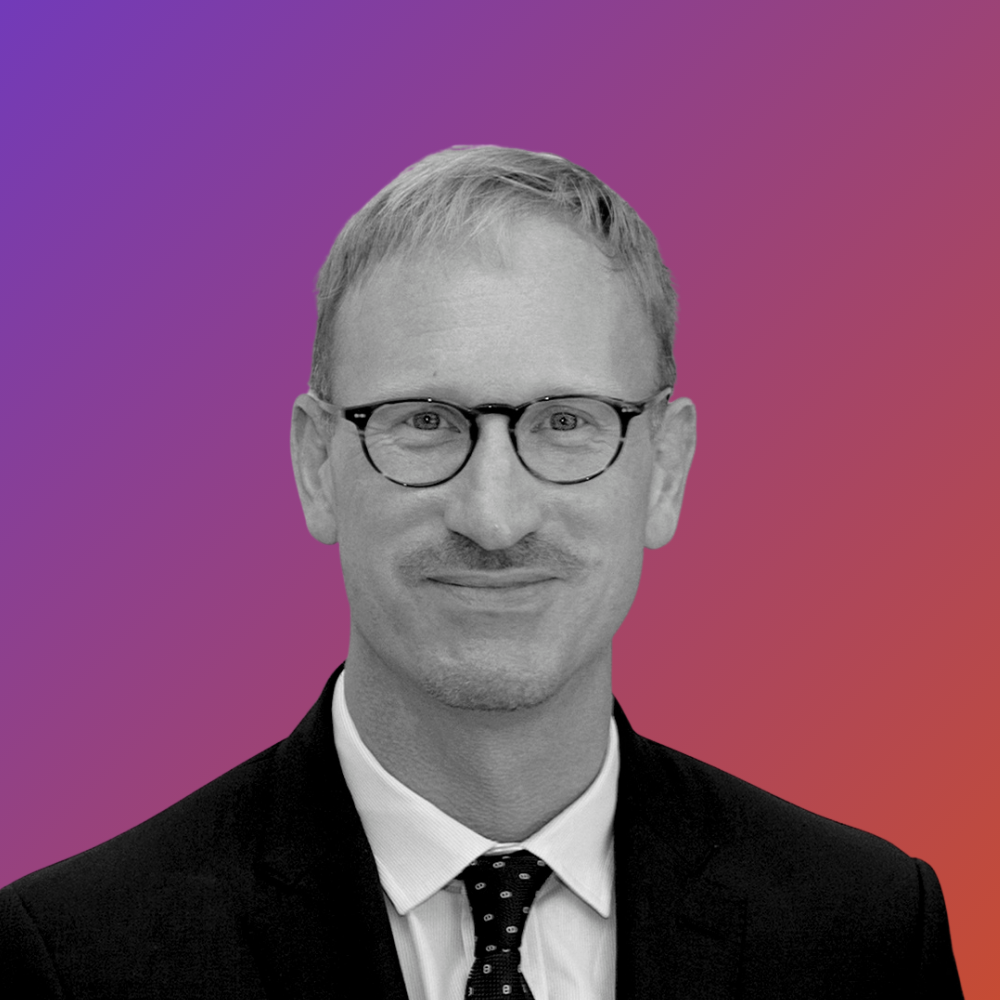
Director, Centre for Digital Transformation of Health; Associate Dean of Digital Health & Informatics, the University of Melbourne; Chief Transformation Officer, The Royal Melbourne Hospital
Professor Peter Steel is an emergency physician, health-system executive and digital health leader focused on advancing clinical artificial intelligence and technology-enabled care to improve patient outcomes, workforce experience and health-system performance. In these roles, he leads work to advance data-driven and AI-enabled healthcare across patient care, medical research, education and health-service transformation.

Director of Emergency Medicine, The Royal Melbourne Hospital
Associate Professor Mark Putland has been Director of Emergency Medicine at the RMH since 2018 with prior experience in regional, metropolitan, private, public, emergency department and prehospital/interhospital roles. He is also closely involved with the Australasian College for Emergency Medicine and the University of Melbourne Department of Critical Care.
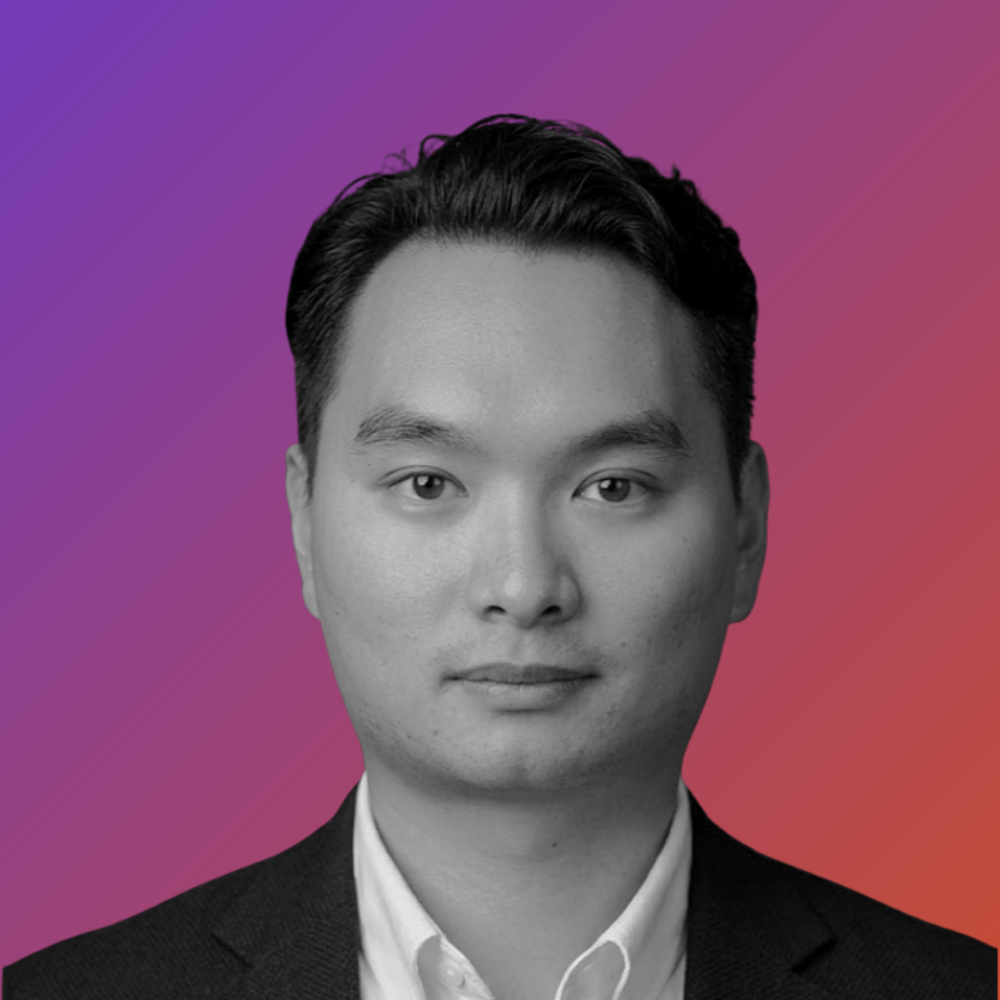
Lead AI Engineer and PhD Researcher
Smith Pit leads AI engineering for NexusMD’s clinical coding product, building computer-assisted coding systems for hospitals. He is also a PhD student at the University of Melbourne, where his research examines the robustness of state-of-the-art AI systems and the gap between human and machine reasoning. That combination of applied engineering and research into where AI systems break down gives him a grounded, first-hand perspective on the uncertainty question at the heart of this debate.
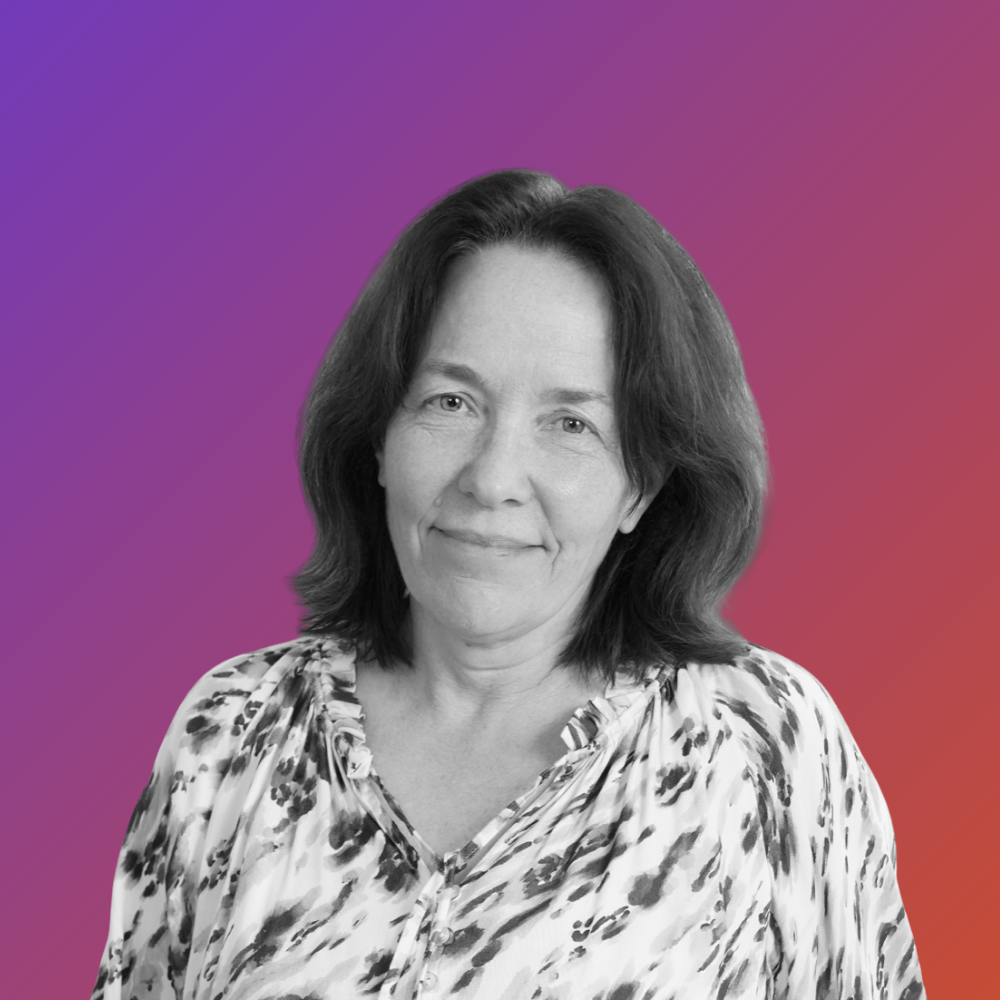
Director, Centre for Artificial Intelligence and Digital Ethics, Faculty of Engineering and Information Technology, the University of Melbourne
Jeannie Marie Paterson is a Professor of Law (consumer protection) and the cofounding director of the Centre for Artificial Intelligence and Digital Ethics (CAIDE). CAIDE aims to build cross-disciplinary research, teaching, policy and regulatory expertise in AI and digital ethics across the University and its wider community.