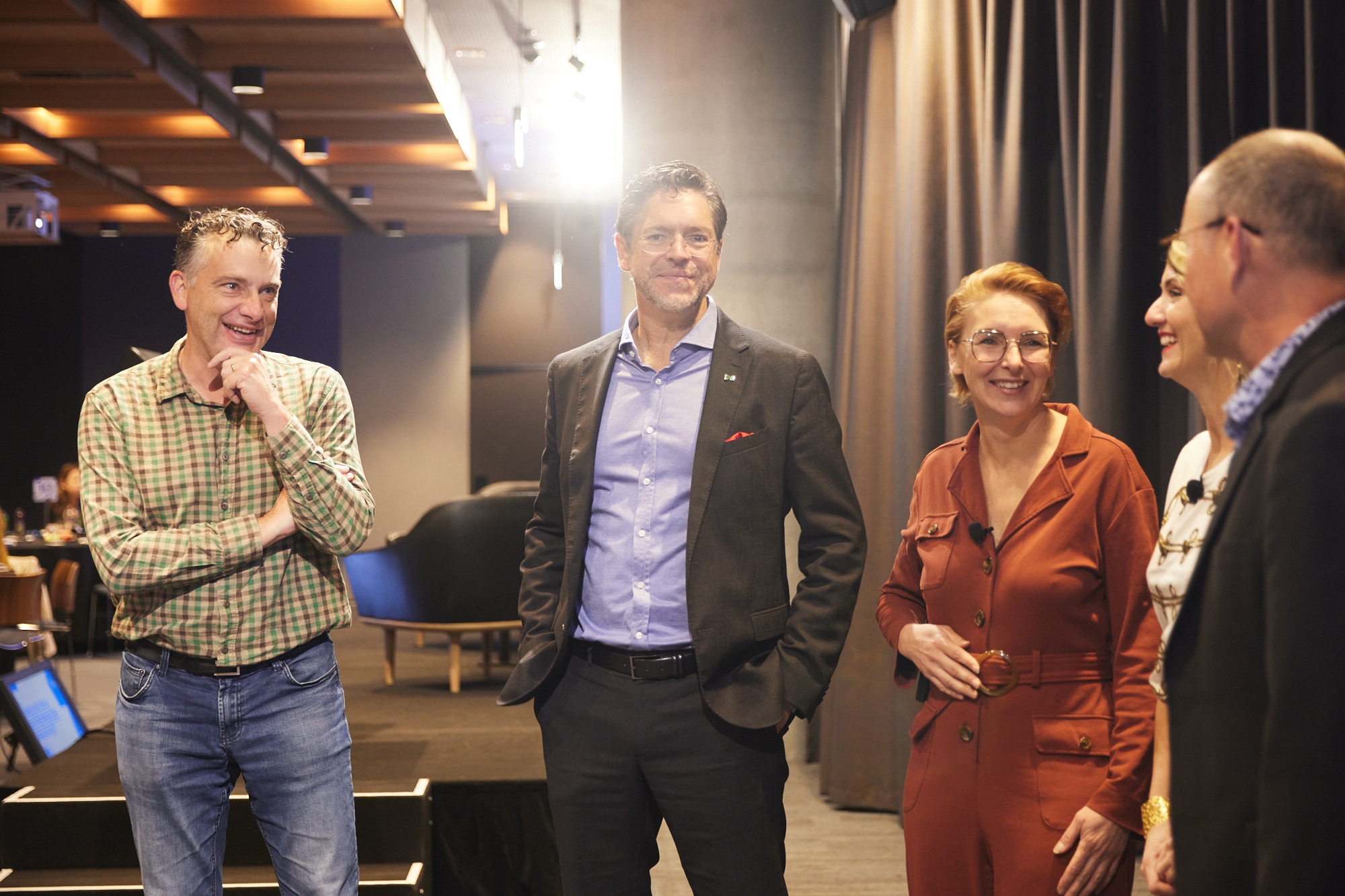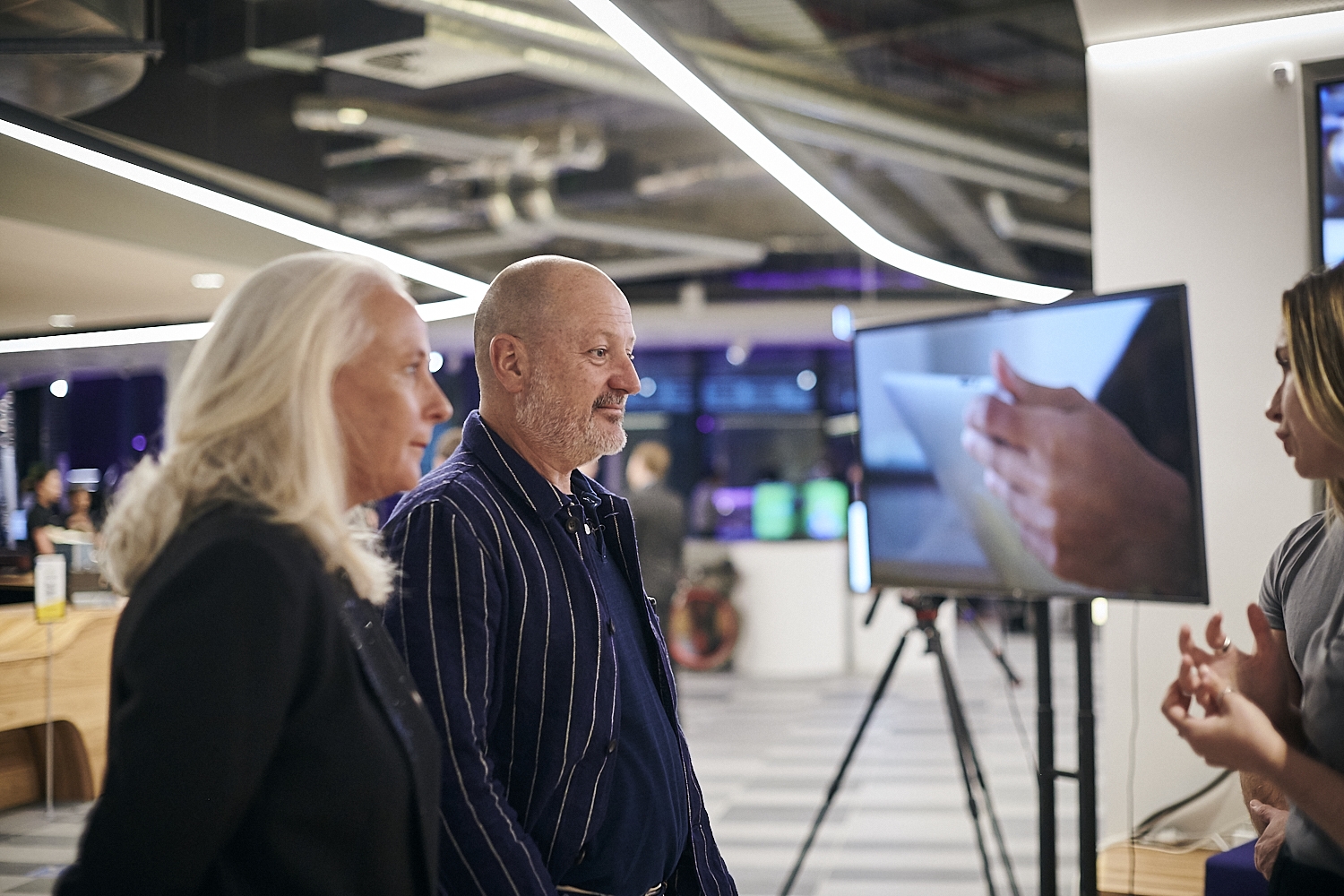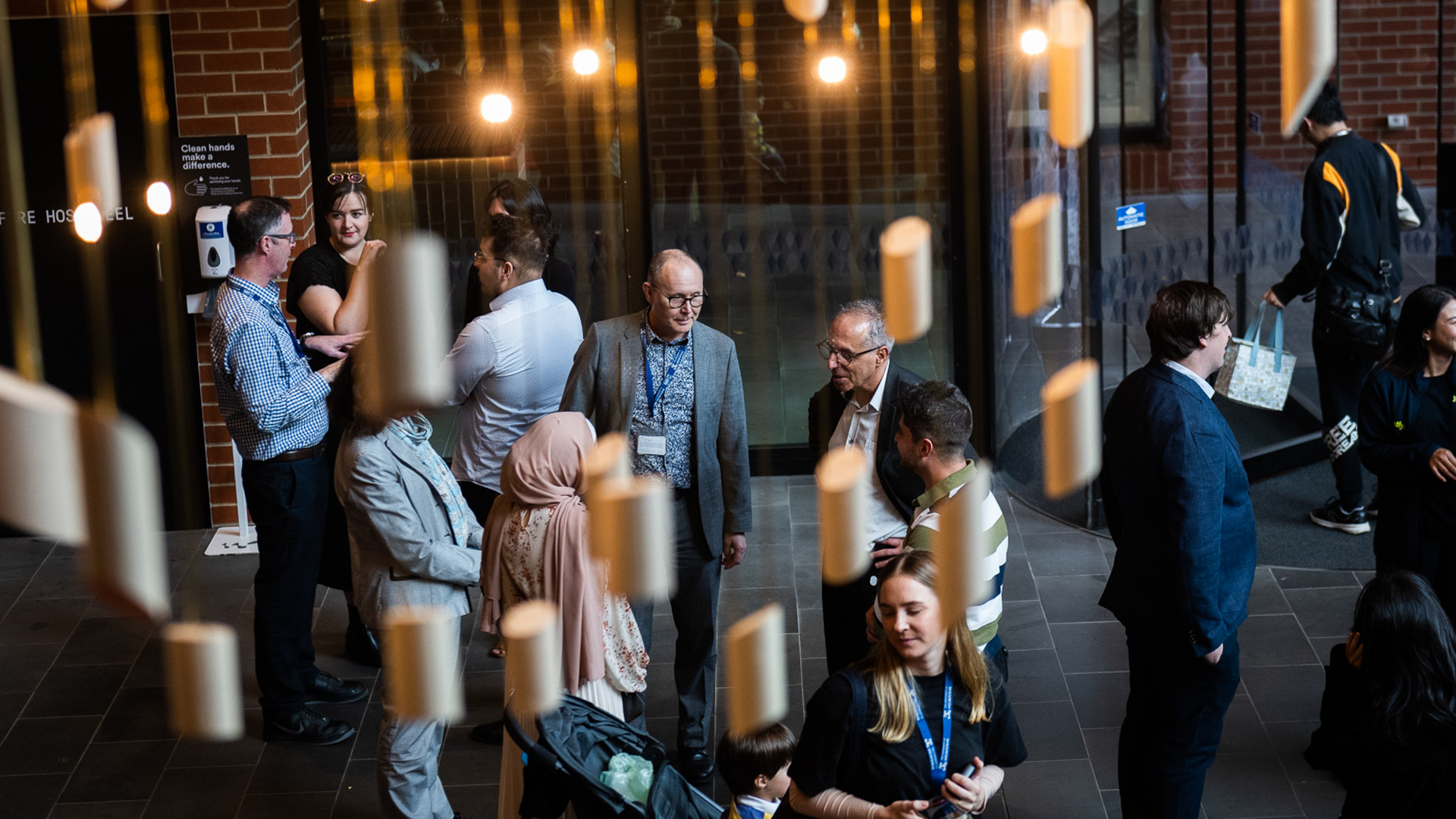
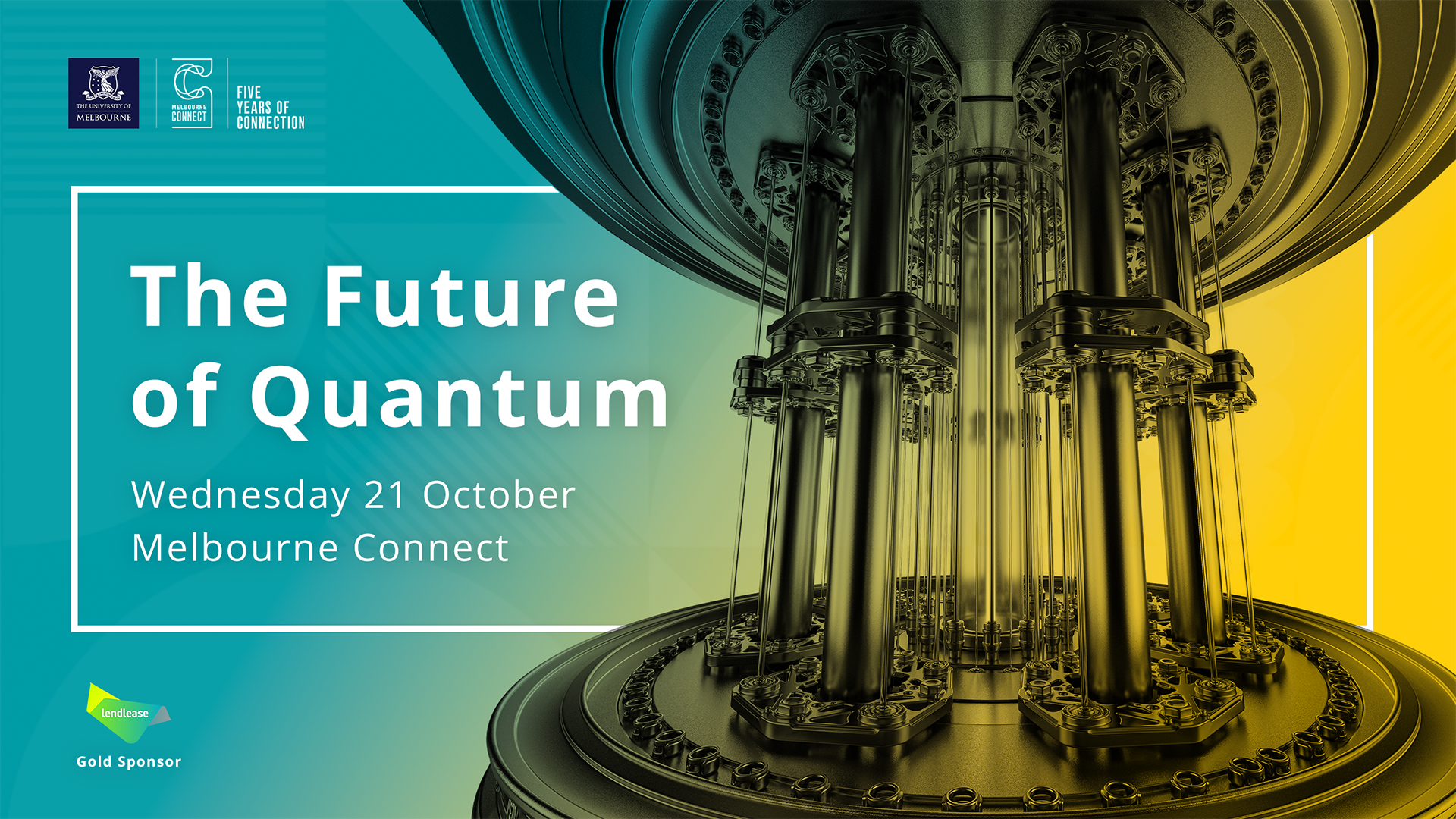
The Future of Quantum brought together pioneering physicists, deep-tech founders, and policymakers to explore how subatomic science is moving rapidly from laboratories into everyday life.
The event began with an introductory demonstration the foundational concepts of quantum computing, before transitioning to a showcase of its promise in real-world applications – from navigation, medicine and defence, to its future capacity to break standard security encryptions.
Watch the full recording below, or explore more events in The Future of series here.
The Future of 2026 series is presented in partnership with Lendlease.
• Hybrid Computing & Energy Efficiency: Quantum computers will not replace laptops or smartphones. Instead, they will sit alongside classical supercomputers in hybrid data centres to handle complex sub-problems. 'Quantum advantage' is not just about speed, but also drastically lower energy consumption compared to emerging gigawatt-scale AI data centres.
• Quantum Chemistry & Decarbonisation: Quantum chemistry is an immediate high-impact application. Simulating subatomic interactions allows researchers to rapidly model new molecules for personalised cancer therapies, cleaner agricultural fertilizers, and higher-capacity battery materials for net-zero decarbonisation.
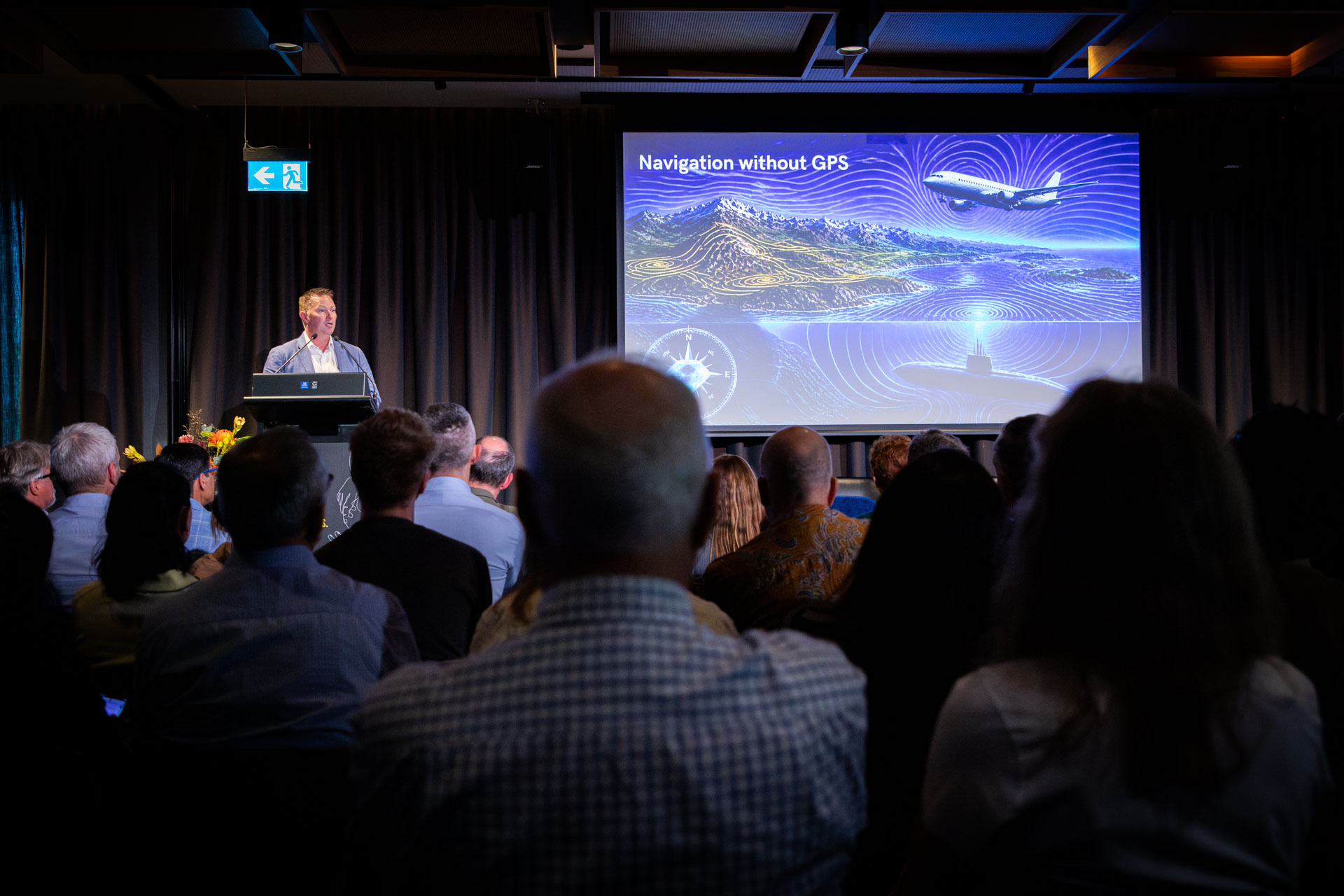
• Flipping Fragility on Its Head: Quantum states are notoriously sensitive to environmental noise, forcing quantum computers to be isolated inside super-cooled dilution refrigerators. Quantum sensing turns this weakness into a strength to create ultra-sensitive detectors for blood and brain health, and GPS-free navigation.
• Software Optimisations Have Shrunk the RSA Cracking Timeline: Modern digital security (such as RSA encryption) relies on the difficulty of factoring large semi-prime numbers – a task that would take a classical computer millions of times the age of the universe. While researchers in 2010 estimated a quantum computer would need 1 billion physical qubits to break RSA via Shor's algorithm, compiler and error-correction optimisations have slashed that requirement to roughly 10,000 qubits in 2026 – a threshold that could be crossed within a few years, driving a global push toward Post-Quantum Cryptography.
• Capitalising on Decades of Research: Australia punches well above its weight in quantum talent. However, without sustained long-term translation funding, Australia risks repeating the history of solar photovoltaic development, where Australia gave up its advantage and commercialisation moved offshore.
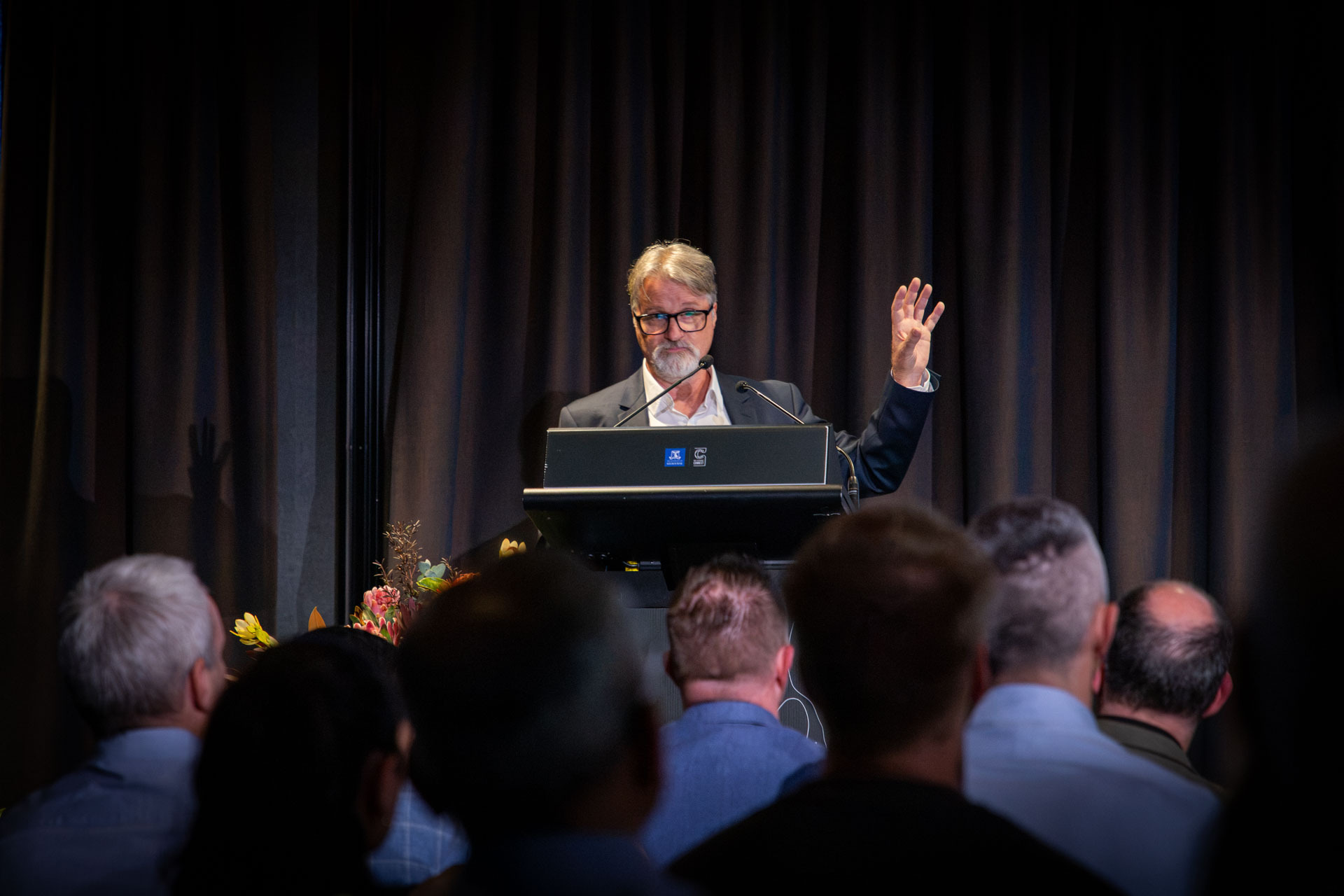
“How does a quantum computer do things faster? The analogy that kind of works is a needle in a haystack. A classical computer will look through every part of the haystack until you hurt your finger and you've found the needle. What the quantum computer is doing, is looking through every part of the haystack at the same time, but it's also enlarging the needle itself and that it can do because of that wave phenomenon of quantum mechanics.”
“Quantum computing is a technology which is going to be generational, it’s going to be highly revolutionary. I would say that investing in quantum is going to pay off big time. This is a strategic investment for Australia. It has implications not only for defence but also for solving many of the socio-economic problems that we have: finding new drugs, curing diseases, enabling net-zero.”
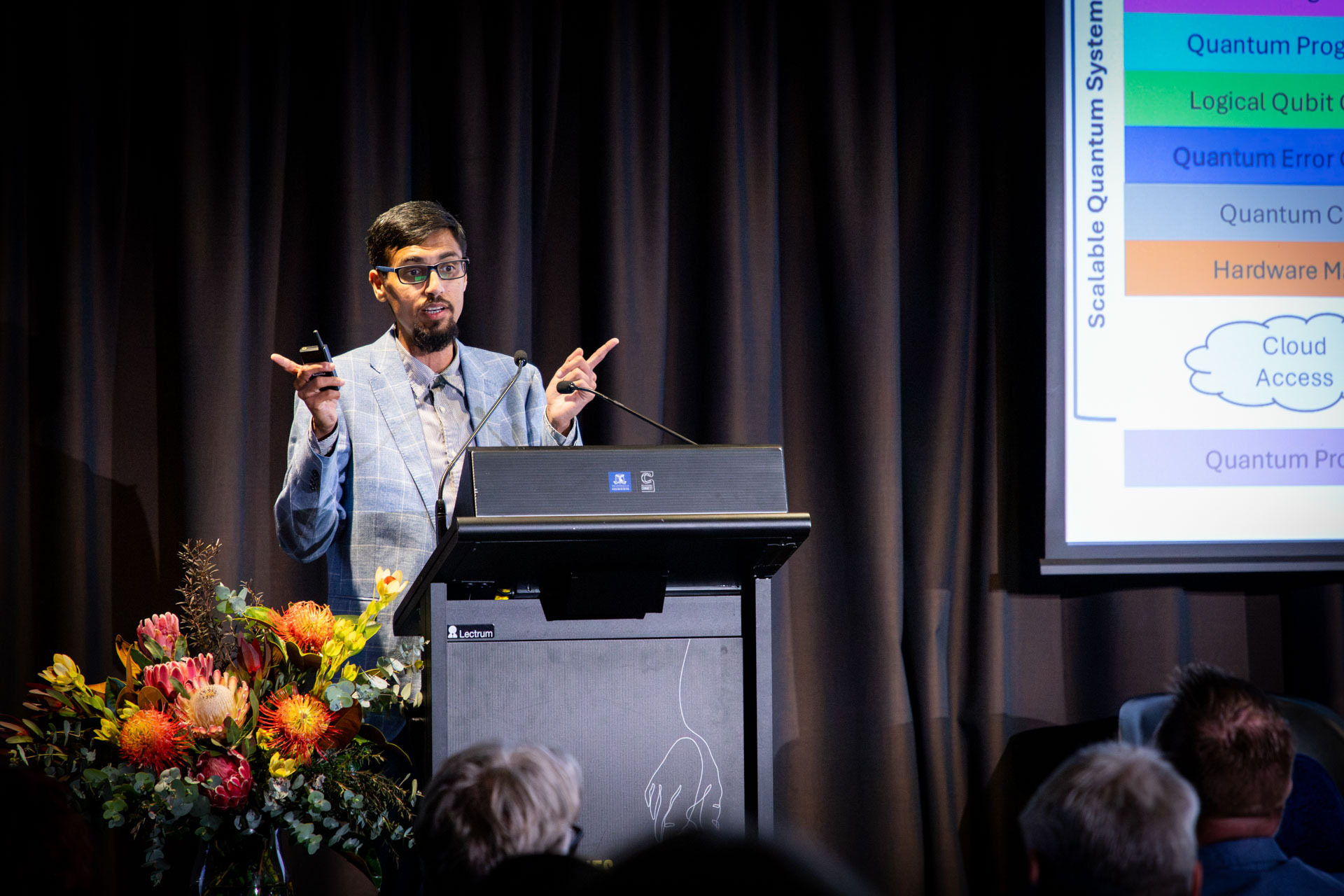
“As of a month or two ago, we've been able to show [with quantum sensors], we can actually image a single action potential event from a single neuron at the single cellular level. So this now gives us an ability to start to look at how neurons are connected, how they talk to one another, and more importantly, what happens in neurological conditions such as epilepsy and Parkinson's and how we can help treat that.”
“This is where things are happening. Quantum technology is growing so fast. So many things that we only dreamed of back when I was doing a PhD are now everyday occurrences and that's only accelerating.”
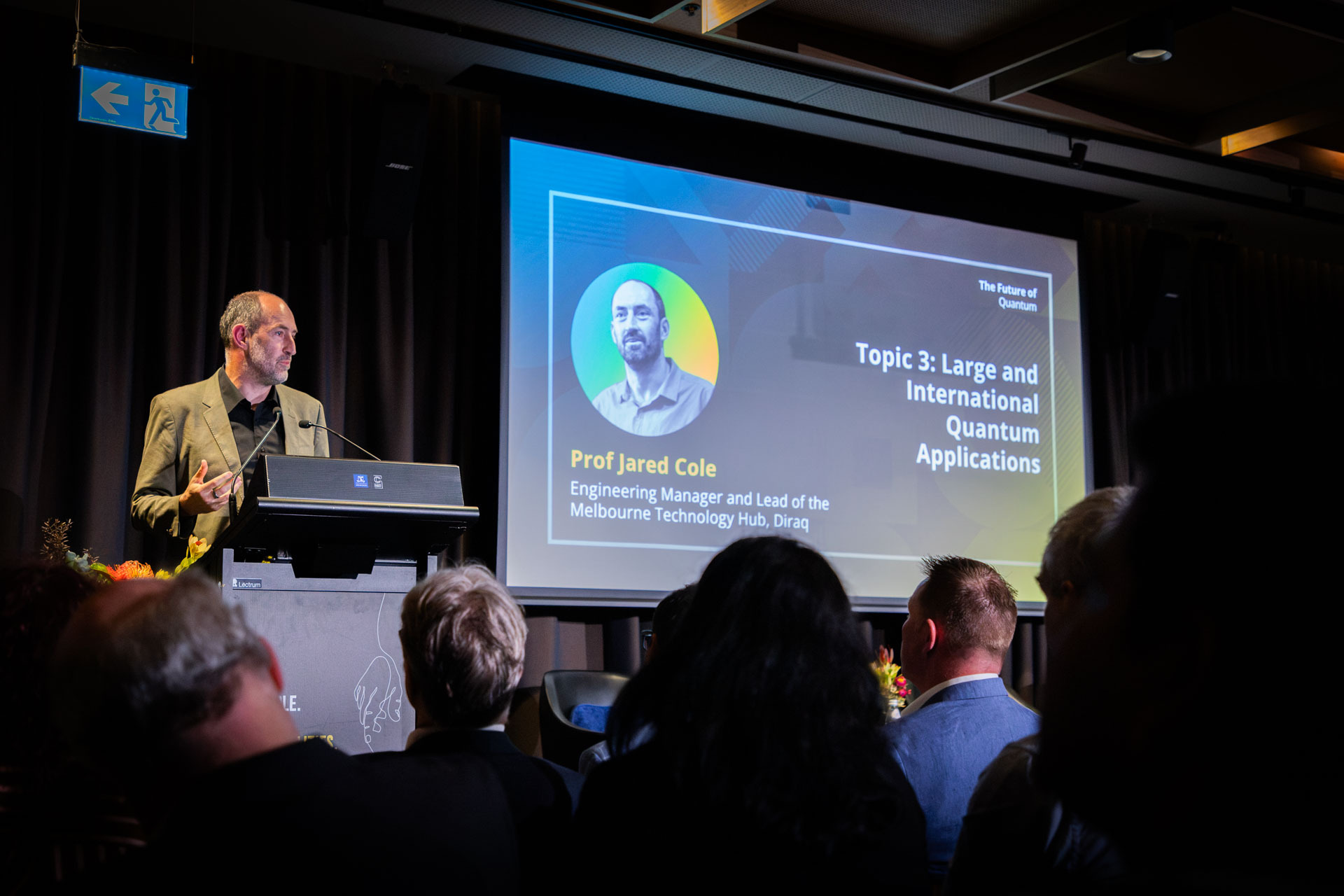
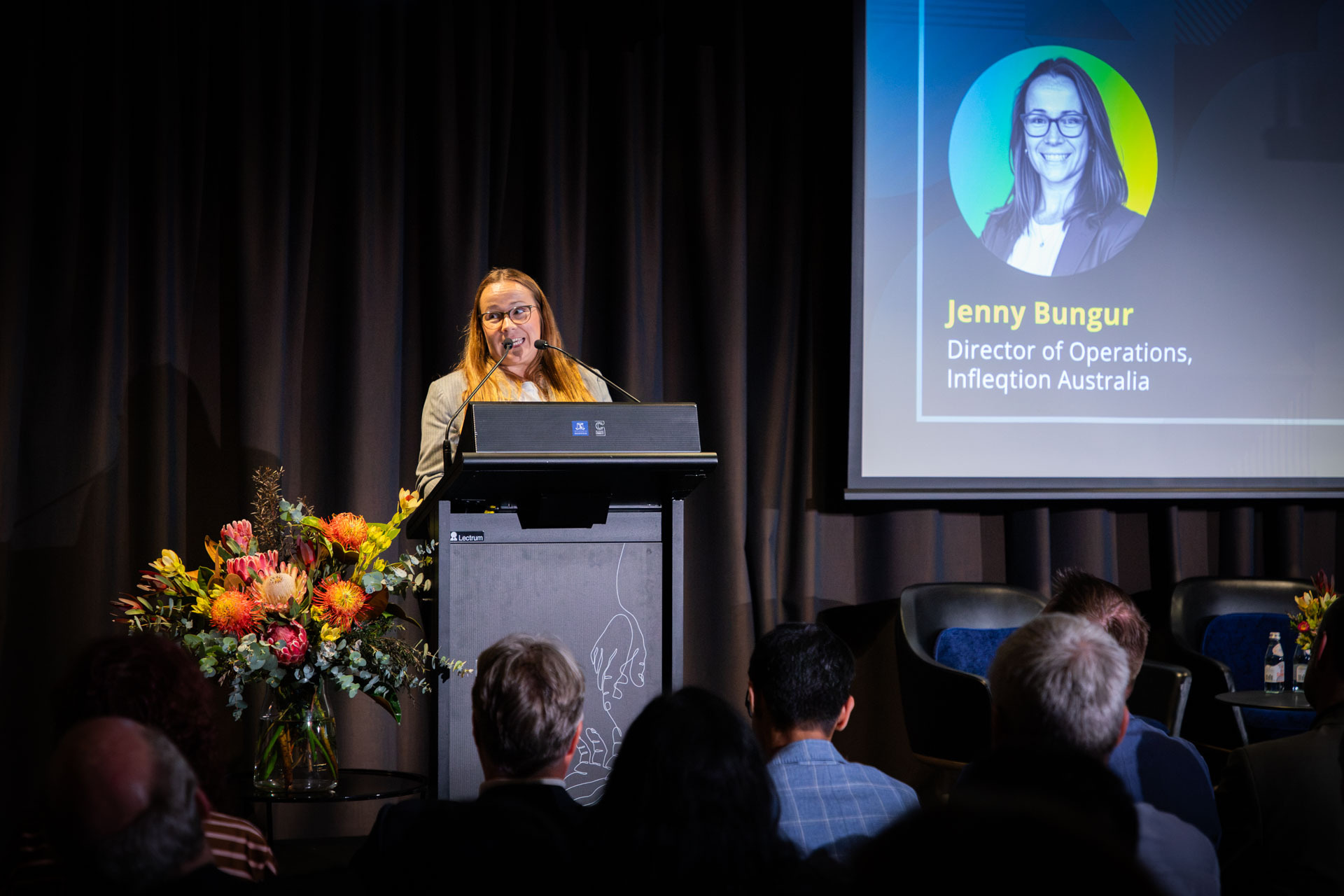
“We don't have to build every part of the quantum industry ourselves to create significant value for Australia. I believe we need to recognise our strengths, back our people, and connect what we're developing with customers who have real problems to solve. The opportunity is there; what matters now is turning it into more Australian products, skilled jobs and commercial outcomes.”
“If we are wanting to build a 21st-century economy, we need to bring people along. You all have a very important role in being ‘quantum curious’. We know how to build an industry in this country, in this state. I can say that with confidence because we've done it before in biotech, and more recently with mRNA ... let's do it again in quantum.”

Journalist, ABC
Read full bio Show lessNatasha Mitchell is a multi-award-winning journalist, documentary maker, podcaster, and presenter of ABC Radio National's flagship daily live events show and podcast BIG IDEAS. She originated two of the ABC's most trailblazing and innovative programs - the blockbuster radio show and one of Australia's first podcasts, All in the Mind, which she hosted and produced for a decade, and Science Friction, for which she was awarded Best Science and Medicine podcast at the Australian Podcast Awards. She was presenter of ABC's long-running daily social affairs program Life Matters. Natasha served as vice president of the World Federation of Science Journalists and was a founding committee member of the Science Journalists' Association of Australia. She received the prestigious MIT Knight Journalism Fellowship, the overall Grand Prize and four Gold World Medals at the New York Radio Festivals, amongst other accolades. She has facilitated forums and festival events across Australia, including four science dialogues with the Dalai Lama. Natasha has an engineering degree with first-class honours from Monash University and a postgraduate diploma in science communication from the ANU.
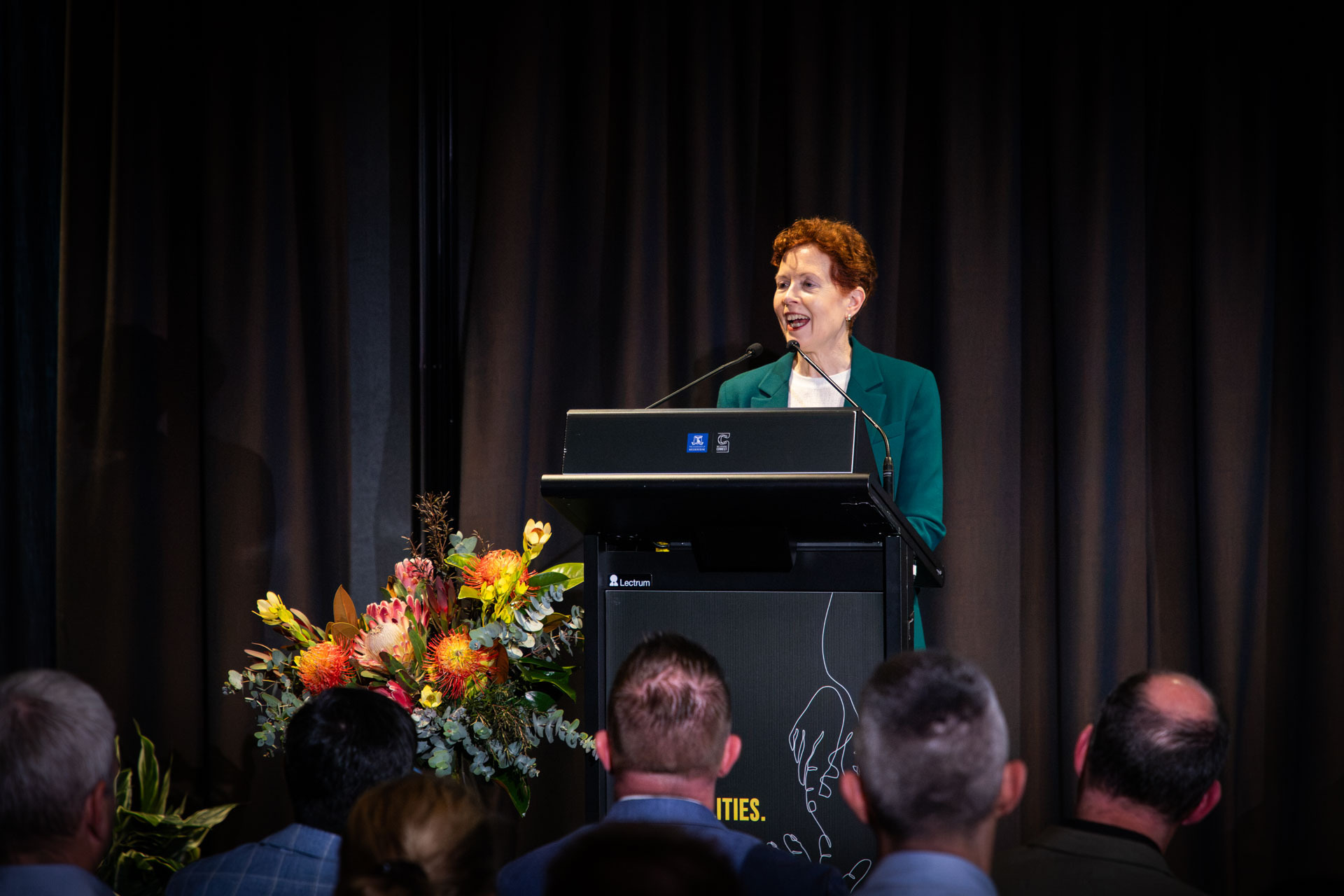
Vice-Chancellor, the University of Melbourne
Read full bio Show lessProfessor Carolyn Evans commenced as Vice-Chancellor of the University of Melbourne in October 2026. Prior to this, she was Vice-Chancellor of Griffith University. She has also been Deputy Vice-Chancellor and Deputy Provost at the University of Melbourne and Dean of the Melbourne Law School. Professor Evans holds degrees in Law and Arts from the University of Melbourne and a doctorate in law from Oxford, where she studied as a Rhodes Scholar. She is a Fulbright Senior Scholar, Fellow of the Academy of Social Sciences in Australia and has been on the boards of the State Library of Victoria, Committee for Economic Development Australia, and Open Universities Australia. She is currently the Chair of Universities Australia, the peak body for the university sector. Professor Evans is an expert in human rights, particularly religious freedom, freedom of speech and academic freedom.
Lord Mayor, City of Melbourne
Read full bio Show lessNick Reece was sworn in as Lord Mayor of Melbourne in July 2024 and re-elected in November 2024. He was first elected as a councillor at the City of Melbourne in 2016 and was elected as Deputy Lord Mayor in 2020.
Nick serves as portfolio head of the City Infrastructure portfolio and deputy for the Finance, Governance and Risk portfolio – these cover a range of responsibilities and activities which are core to council business. As Deputy Lord Mayor, Nick helped steer the city through some of its darkest days during the Covid lockdowns and the subsequent recovery. With a long history of public service and experience in business, law and journalism, Nick brings a deep understanding of Melbourne life to the role of Lord Mayor.
Nick is one of the original “Mo Bros” and former chairman of global men’s health charity Movember. Founded in Melbourne, almost 10 million people have participated in Movember and raised almost $1.5 billion for prostate cancer and men’s mental health. For over 10 years, Nicholas was a director for the street newspaper The Big Issue, Australia’s most successful social enterprise for homeless and vulnerable people. Nick has been a senior executive at the University of Melbourne. He has considerable experience in government having worked as a senior adviser to Prime Minister Julia Gillard and Victorian premiers Steve Bracks and John Brumby.
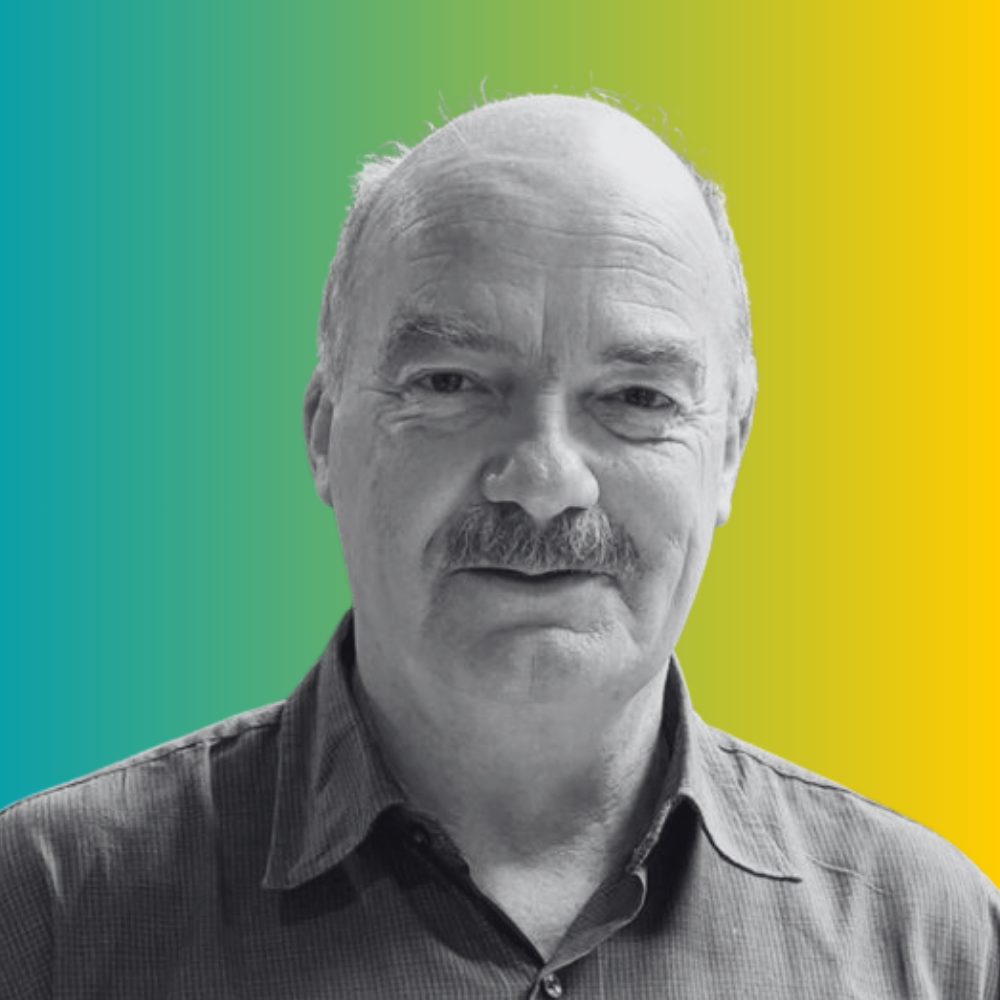
Executive Director, Melbourne Connect
Read full bio Show lessEduard Hovy is the Executive Director of Melbourne Connect (a research and tech transfer centre at the University of Melbourne), a professor at the University of Melbourne’s School of Computing and Information Systems, and a research professor at the Language Technologies Institute in the School of Computer Science at Carnegie Mellon University. In 2020–21 he served as Program Manager in DARPA’s Information Innovation Office (I2O), where he managed programs in Natural Language Technology and Data Analytics. Dr. Hovy completed a Ph.D. in Computer Science (Artificial Intelligence) at Yale University in 1987 and was awarded honorary doctorates from the National Distance Education University (UNED) in Madrid in 2013 and the University of Antwerp in 2015. He is one of the initial 17 Fellows of the Association for Computational Linguistics (ACL) and is also a Fellow of the Association for the Advancement of Artificial Intelligence (AAAI).
Dr. Hovy’s research focuses on computational semantics of language and addresses various areas in Natural Language Processing and Data Analytics, including in-depth machine reading of text, information extraction, automated text summarization, question answering, the semi-automated construction of large lexicons and ontologies, and machine translation. In early 2025 his Google h-index was 109, with about 68,000 citations. Dr. Hovy is the author or co-editor of eight books and over 400 technical articles and is a popular invited speaker. He regularly co-taught PhD-level courses and has served on Advisory and Review Boards for both research institutes and funding organizations in Germany, Italy, Netherlands, Ireland, Singapore, and the USA.
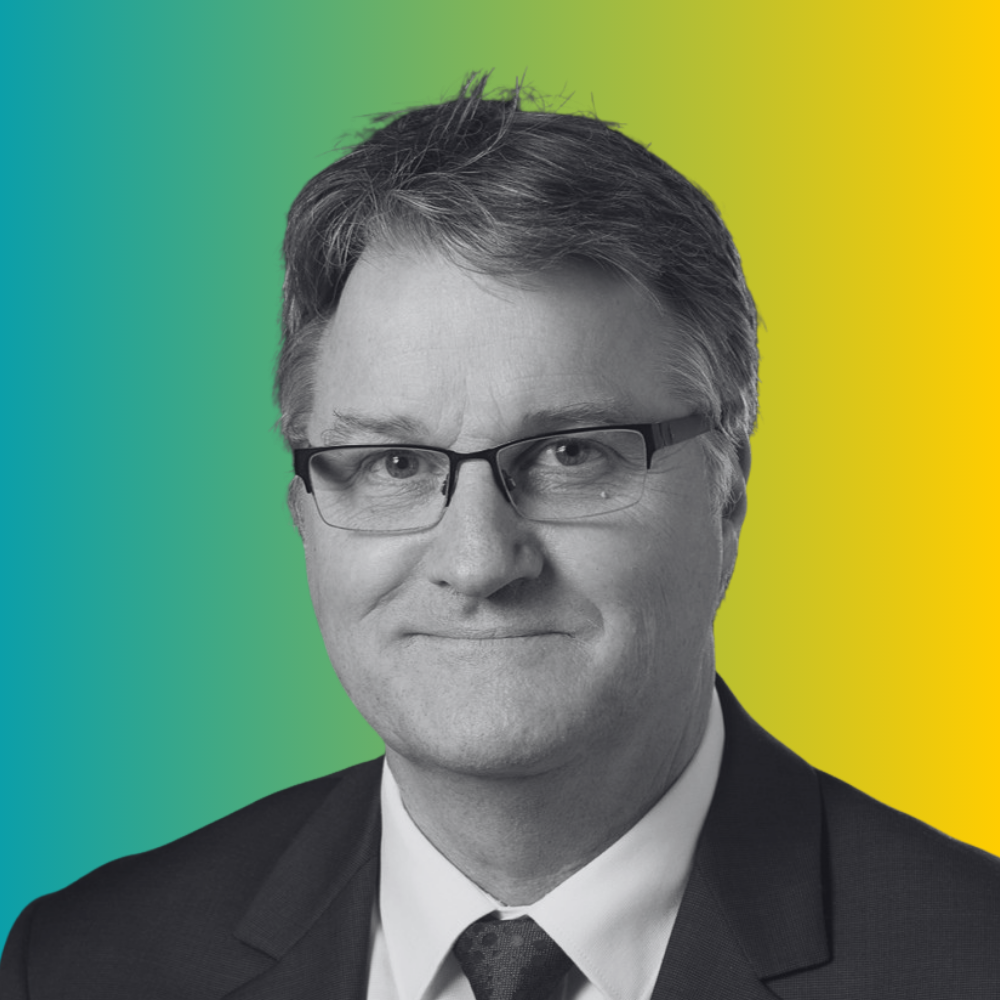
Director, IBM Quantum Hub, the University of Melbourne
Read full bio Show lessProfessor Hollenberg is a Melbourne Laureate Professor and the Thomas Baker Chair in the School of Physics at the University of Melbourne. Lloyd also leads the IBM Quantum Hub at the University of Melbourne. He completed his PhD in 1989 in theoretical particle physics and in 1999 turned his attention to quantum computing. He was the Deputy Director of the Australian Research Council (ARC) Centre of Excellence for Quantum Computation and Communication Technology (2011-2024), and was awarded an ARC Laureate Fellowship in 2013. Over his career, he has published over 300 papers and is well known internationally for his work in quantum computing and the development of quantum sensing techniques at the quantum-nano-bio interface. He was awarded the 2012 Walter Boas Medal, the 2013 Victoria Prize (Physical Sciences), the 2016 Royal Society (Victoria) Medal for Excellence in Scientific Research, and led the team that won the 2013 Eureka Prize for Excellence in Interdisciplinary Research. He was elected to the Australian Academy of Science in 2018.
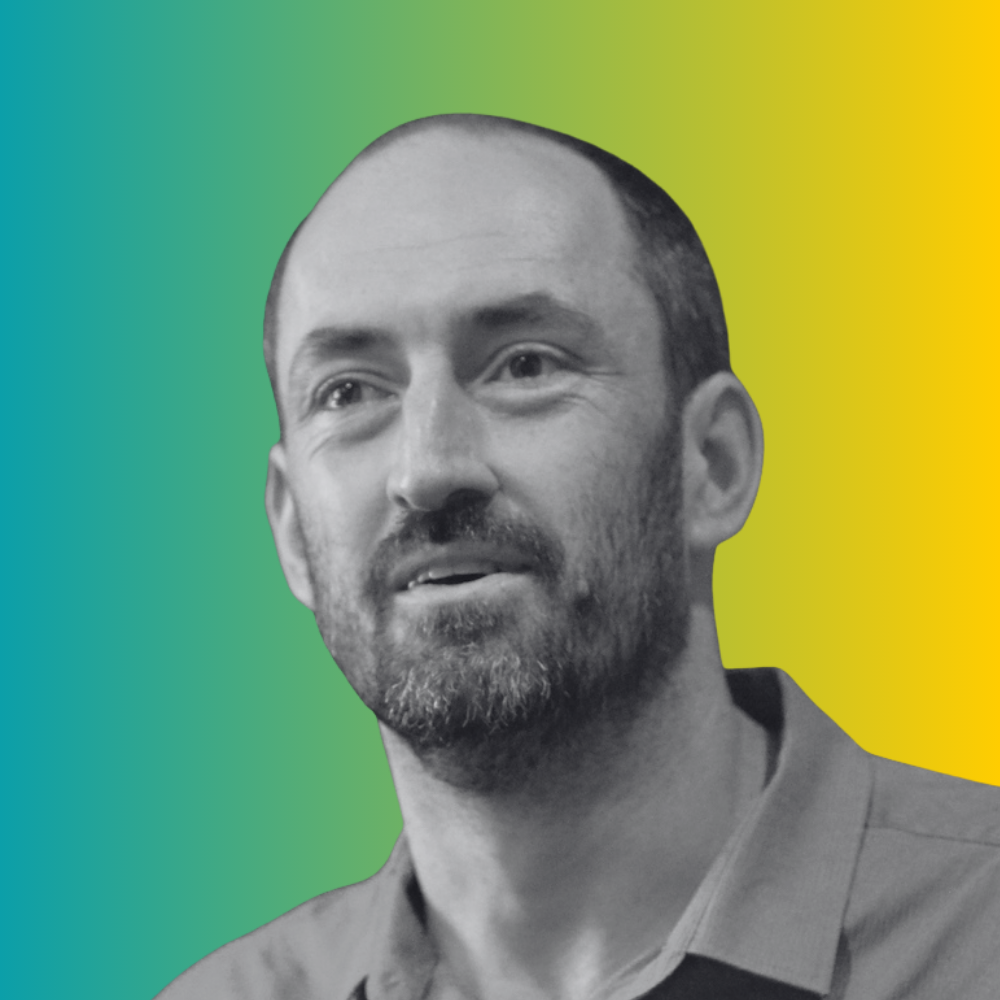
Engineering Manager and Lead of the Melbourne Technology Hub, Diraq
Read full bio Show lessProfessor Jared Cole is founding Director of the RMIT Applied Quantum Technologies research centre. He is a theoretical and computational physicist, specialising in quantum theory and its application in electronics, computing and condensed-matter physics. Since 2024 Jared and his team have been working with Diraq, and he currently leads the Diraq Melbourne Technology Hub. Jared also provides consulting advice to government and industry (both nationally and internationally) in the area of quantum technologies, and is the co-founder of H-Bar Quantum Consultants.
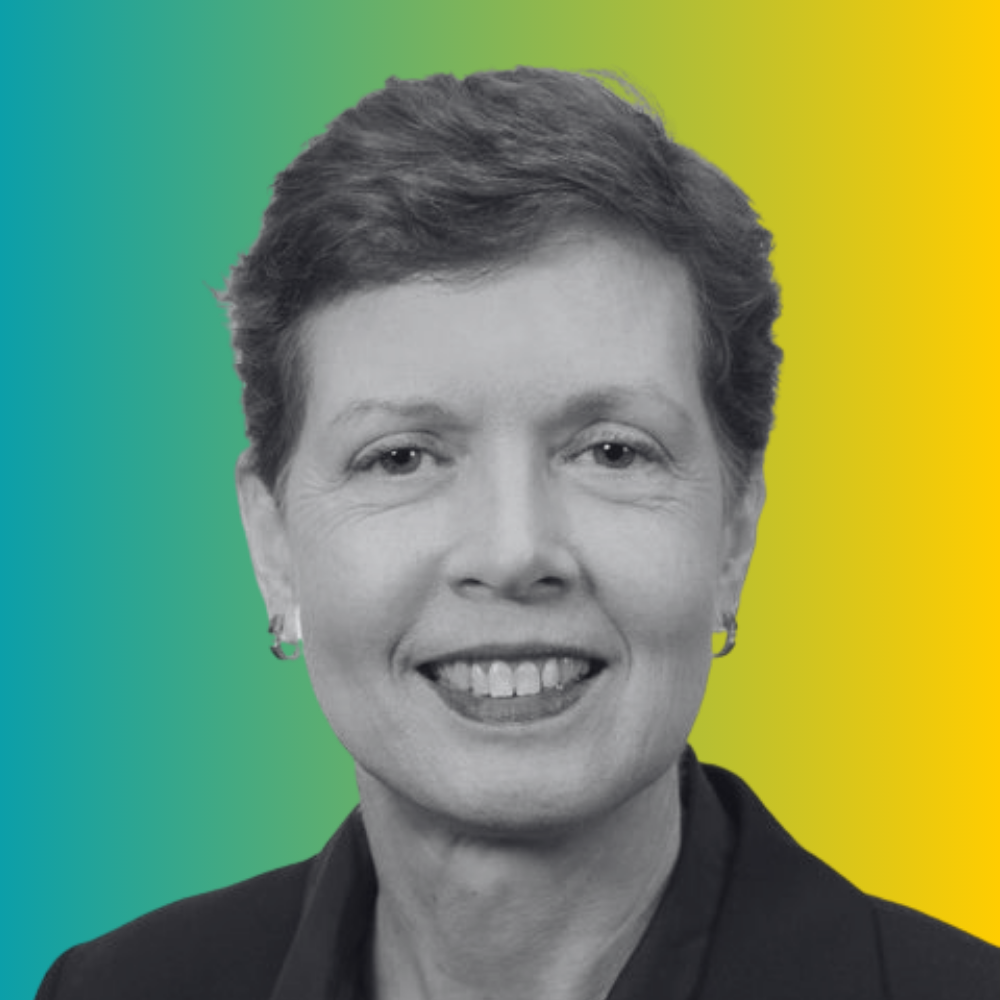
Lead Scientist, Victorian State Government
Read full bio Show lessDr Amanda Caples is Victoria’s Lead Scientist, working at the intersection of science, government and industry to translate science and technology into economic and public value. She brings deep expertise in innovation policy, commercialisation, governance and technology transfer, with Fellowships of IPAA and the Royal Society of Victoria. Her work has helped build Victoria’s biotechnology and mRNA ecosystems, including regional technology capability and investment attraction. Amanda’s current focus is a business innovation framework that aligns policy with market demand, infrastructure, capability and government action to help businesses adopt, scale and compete.
School of Physics, the University of Melbourne
Read full bio Show lessDavid Simpson is an Associate Professor in physical biosciences within the School of Physics at the University of Melbourne. He obtained his PhD in applied physics from Victoria University and has spent the past decade researching and commercialising quantum-based technology. His current research is focused on diamond-based quantum sensors for biomedical and precision magnetometry applications. A/Prof Simpson is a co-founder of two quantum biotechnology companies, Chromos Laboratories and FeBI Technologies that seek to apply quantum sensing technology to improve the diagnosis, treatment, and management of neurological and iron-related disorders. He is also a co-founder of Phasor Quantum, a company focused on the development of precision quantum-assured navigation solutions for GNSS denied environments.
Director of Operations, Infleqtion Australia
Read full bio Show lessJenny Bungur is Director of Operations at Infleqtion Australia, where she leads operational growth, strategic partnerships and the development of Australian capability in quantum and enabling technologies. Her experience spans emerging technologies, advanced manufacturing and materials science, with a strong focus on translating research into commercial and nationally significant outcomes. Jenny has held senior roles across industry, academia and government-funded innovation programs, including foundational contributions to Carbon Nexus and major advanced-manufacturing initiatives that attracted significant public and private investment. She brings a practical perspective on commercialising deep technology, from building partnerships and securing funding to establishing the operational foundations needed to scale, and is passionate about helping Australia turn world-class quantum research into enduring industry capability.
Scalable Quantum Systems Lab, Monash University
Read full bio Show lessProfessor Muhammad Usman is a Full Professor of Quantum Computing at Monash University Australia and Group Leader Scalable Quantum Systems Lab. He has over 15 years of research and teaching experience in quantum computing which spans both academia and industry. He has completed his PhD from Purdue University USA and is a Fellow of both the Institute of Physics UK and the Australian Institute of Physics. He is a member of the National Committee for Physics with the Australian Academy of Science.