We're handing more of our care, companionship and decisions to artificial and embodied agents. More and more artificial presences are "with us", finding form as robots that share our spaces, gesture, respond and touch. They will sit with us while we work, at home, and alongside our loved ones. AI listens when no one else will; robots keep company where no one else can; systems suggest and quietly shape what we buy, watch and believe. Agents act as our proxies, extensions of ourselves, increasingly with bodies of their own. They absorb and reflect all that we are, our virtues and our delusions.
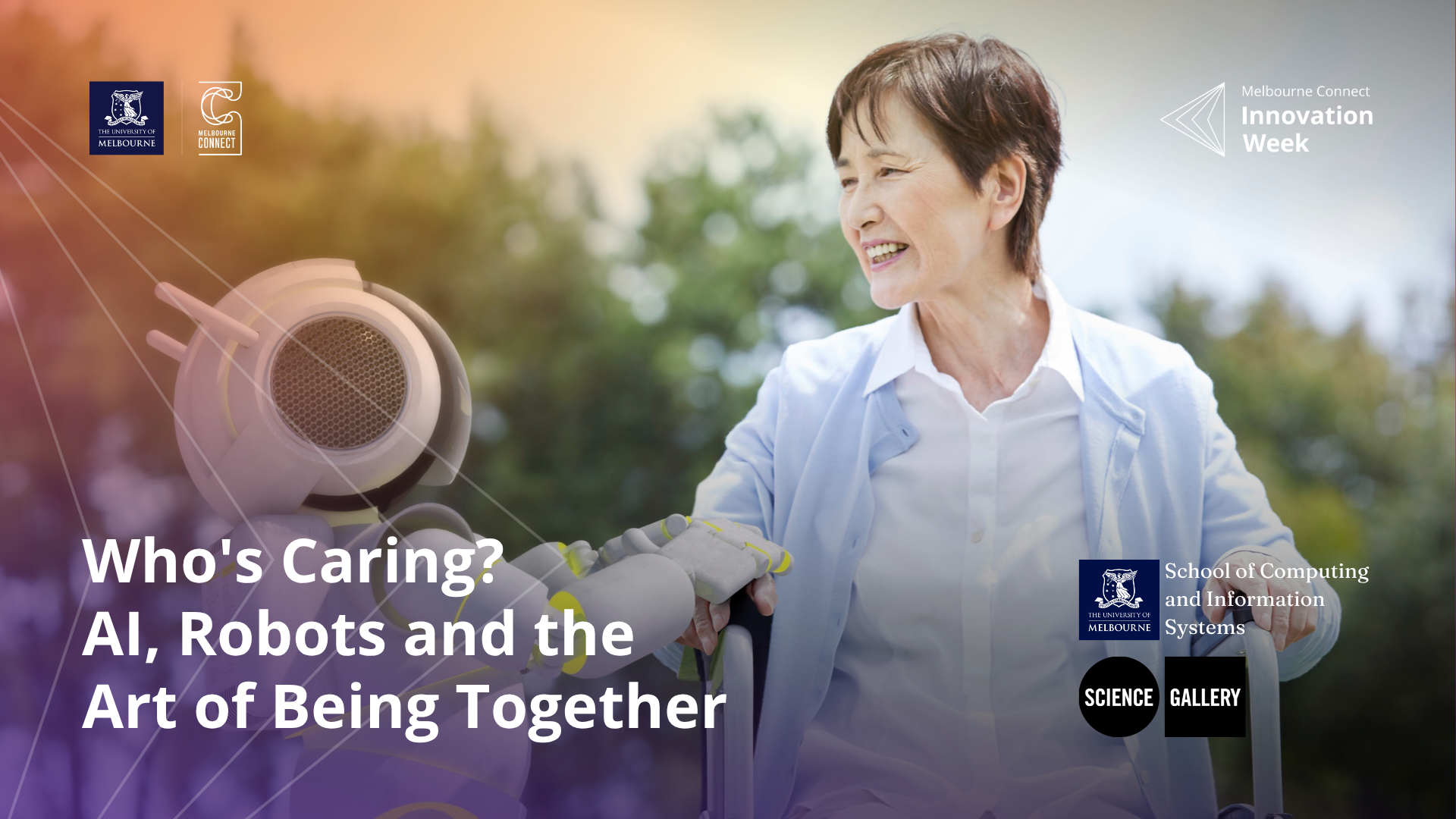
As technology and innovation move forward in a churning more-than-human soup stirred by many cooks, some striving for unlimited productivity, others urging us to slow down, how do we keep our agency in a world of artificial agents? How do we navigate who is controlling whom? How do we stay attuned and present together?
Amidst the polycrisis, this panel brings together experts in robotics, law, ethics and curatorial practice to discuss ethics and responsibility in human-machine interaction, exploring opportunities for innovation that embodies care and imagination around the art of being together.
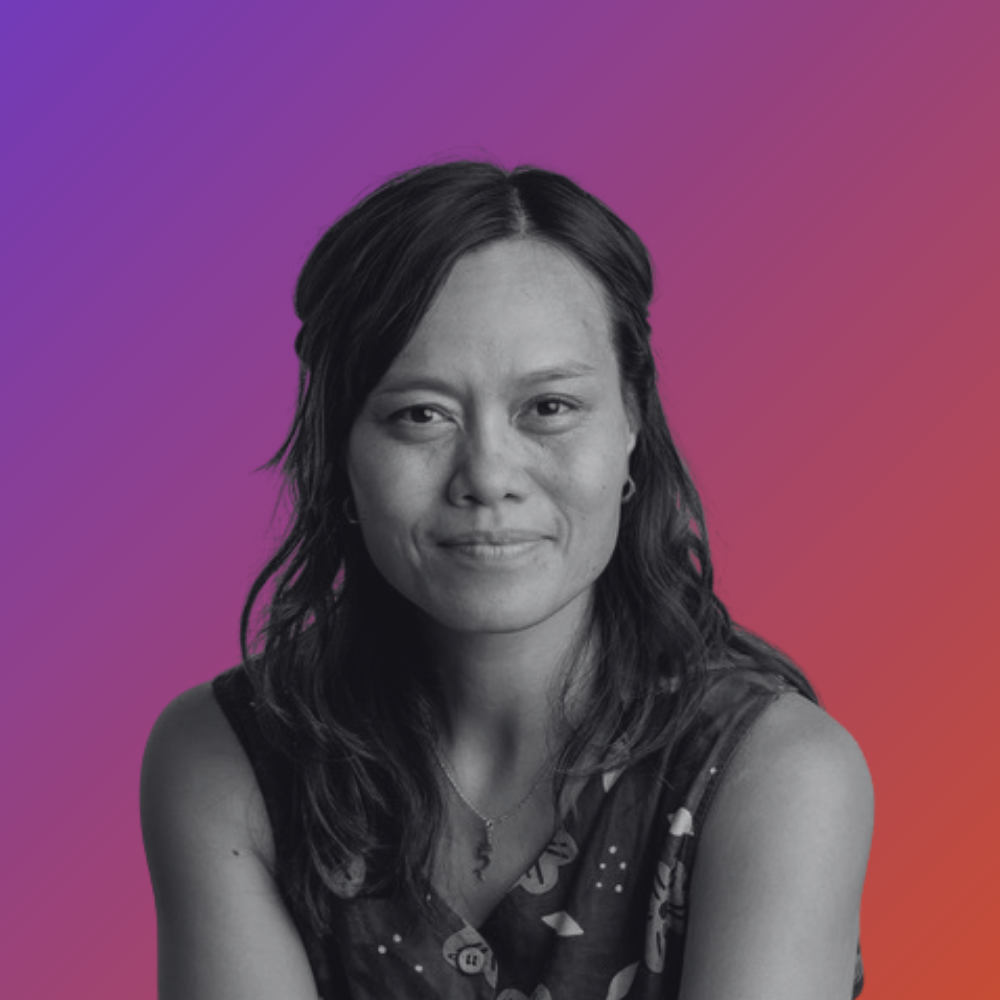
Lecturer, the University of Melbourne
Dr Kristina Mah is an Academic Specialist and Lecturer in Art and Computer Science at Science Gallery Melbourne and the University of Melbourne. Her research and creative practice explore bridges across ancient wisdom traditions, somatic, contemplative lineages, and diasporic narratives through public art, interaction design and performance. She works across academic, art and community contexts shaping engagement with relational discourse and compassion to foster more attuned and adaptive futures.
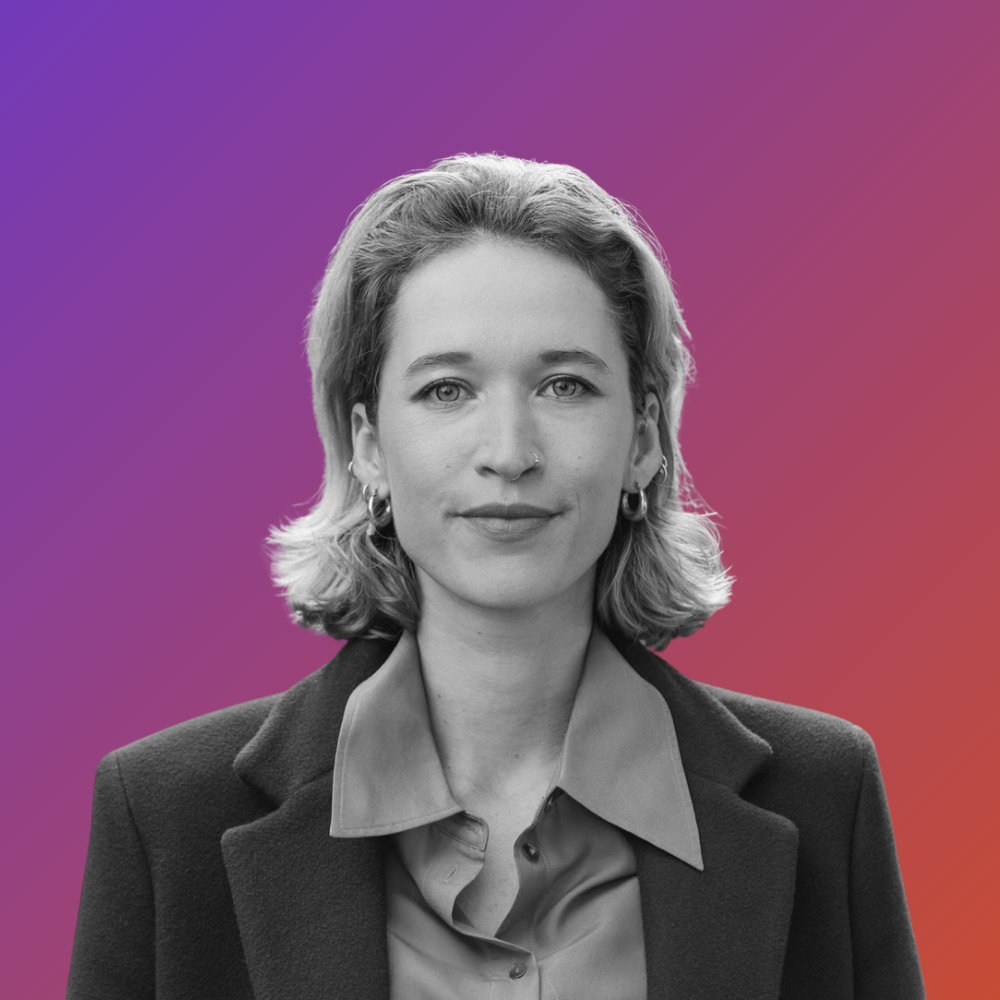
Melbourne Postdoctoral Research Fellow, School of Culture and Communication, the University of Melbourne
Jasmin’s research spans museum studies, cultural studies, media studies, visual culture, and aesthetics. Her current research project (2024-2027) is on the impact of generative technologies on museums’ practices. She is the author of Museums as Assemblage (Routledge 2023) and co-editor of Decentring Ethics: AI Art as Method (Open Humanities Press, 2025) and the special issue of Media Theory ‘Seeing Photographically’ (2024). She is co-founder of the research group CODED AESTHETICS.
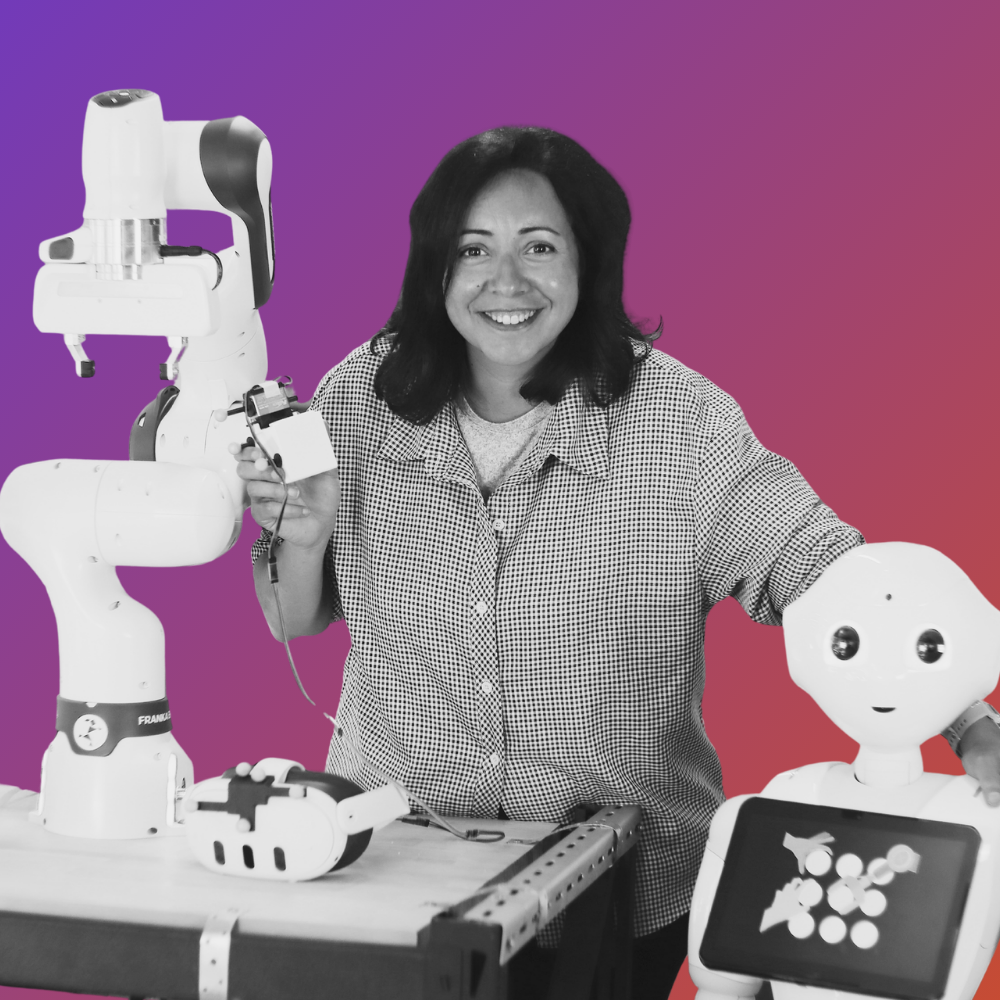
Associate Professor and ARC Future Fellow
Dr Wafa Johal's research sits at the intersection of human-robot interaction, robot learning, and AI-driven social agents. She holds a PhD in Applied Mathematics and Computer Science from the University of Grenoble Alpes, France, and previously held postdoctoral and faculty positions at EPFL (Switzerland) and UNSW Sydney. Wafa's work focuses on designing robots and AI systems that learn from and adapt to humans, spanning tangible robotics for education, human-in-the-loop robot training, haptics, and augmented reality for interaction.

Professor of Law and Co-director, Centre for AI and Digital Ethics, the University of Melbourne
Jeannie’s research and teaching focuses on consumer protection, contract and AI. She is interested in the question of how to design effective regulation for AI safety and liability, including in the use of chatbots for mental health, legal and financial services and at home.

Artist and PhD Candidate at SensiLab, Monash University
Aileen Ng is an artist and design researcher at SensiLab, Monash University. Her practice explores perception and human-machine relationships, particularly understanding AI systems as a form of technological mediation and how the design of these systems shape our experience.