What if a routine CT scan could help doctors get chemotherapy dosing right? PredicTx Health, a University of Melbourne spin-out, is turning that idea into reality, using AI to transform everyday CT scans into a powerful tool for precision cancer treatment, helping clinicians tailor chemotherapy doses more accurately to the individual patient.
This multidisciplinary forum invites clinicians, academics and industry experts to explore how this technology can optimise cancer care. Participants will gain evidence-based insights into the future of precision medicine and take part in a dialogue about improving patient safety and treatment outcomes.

Co-founder and CEO of PredicTx Health
With more than 20 years of experience in healthcare technology, enterprise imaging and digital health, Abhijeet has led large-scale imaging and interoperability projects across Australia and internationally. Abhijeet is passionate about translating research into real-world clinical solutions and is actively working with hospitals, universities and global partners to bring innovative technologies to market.
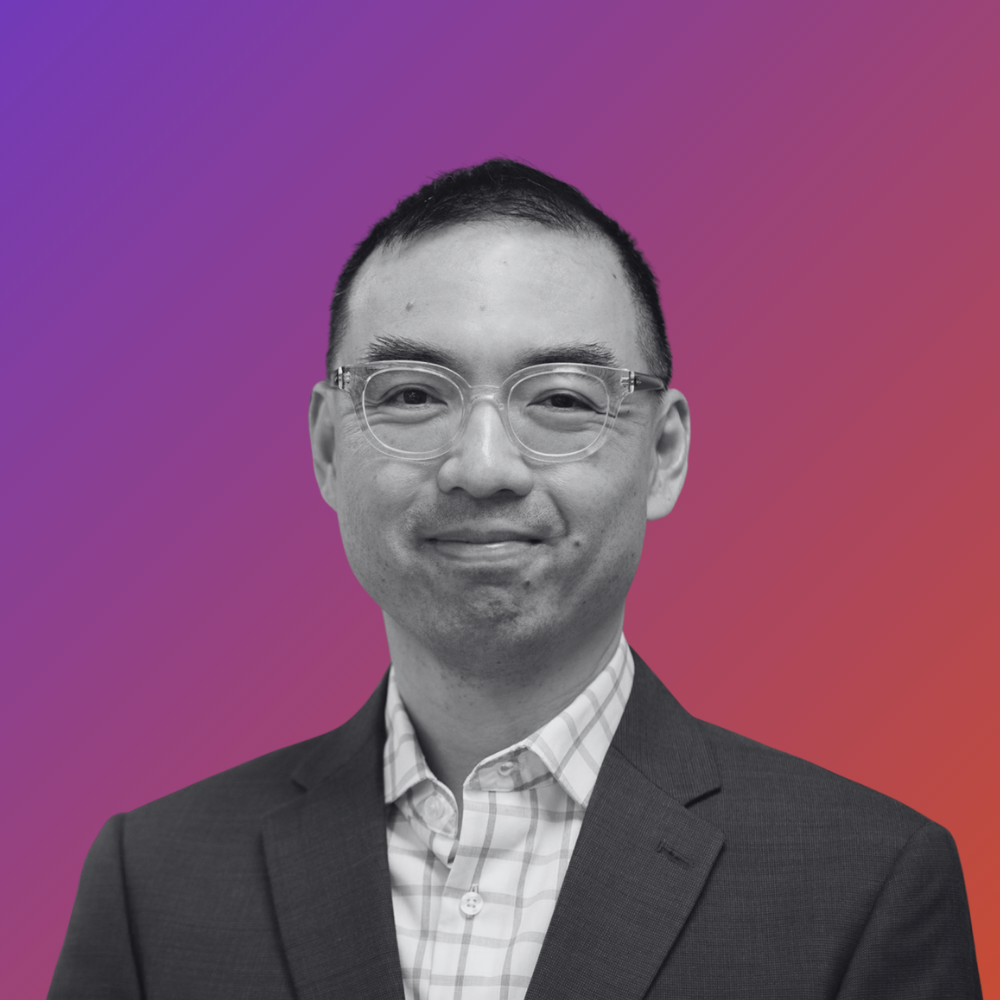
Consultant Colorectal Surgeon and Co-Founder PredicTx Health
Justin is a Professor of Surgery at the University of Melbourne, Consultant Colorectal Surgeon at Western Health and also Co-Founder of PredicTx Health. Justin is keen to drive AI into helping clinicians provide tailored treatment to cancer patients; providing the best outcomes for them

Medical Oncologist
With an additional degree in Pharmacy, and a recently completed PhD in colorectal cancer, Matthew has a unique perspective to clinical practice, anti-cancer therapeutics and research. Alongside clinical practice, he works at the Walter and Eliza Hall Institute and University of Melbourne, combining extensive teaching and research with the passion of shifting cancer care from generic approaches, to treatments that meet the individual needs of each patient.

Consumer/Patient Advocate
Pauls’ professional career was in hospitality recruitment, human services and business mentoring, running a successful business for over 25 years. Diagnosed with non-Hodgkin’s mantle cell lymphoma in 2005, Paul had an Allogeneic Bone Marrow Transplant in Dec 2005 at The Royal Melbourne Hospital. He has been a consumer advocate and representative for the past 17 years on committees including Cancer Education & Training Advisory Group with the VCCC Alliance.