The Australian summer now commonly features heatwaves, floods and bushfires. So, how do we prepare and still enjoy the break?
We’ve made it. After another long and difficult year, frazzled Australians are now ready for some long-overdue rest and recreation.
Sun, fun and escaping into nature are on the cards.
But as we know, droughts, bushfires, heatwaves and floods are also common features of summer in Australia. And in a warmer world, these extreme events are becoming more common and impactful.
So what does summer look like in a changed climate? And how can we prepare to ensure we can still enjoy the break?
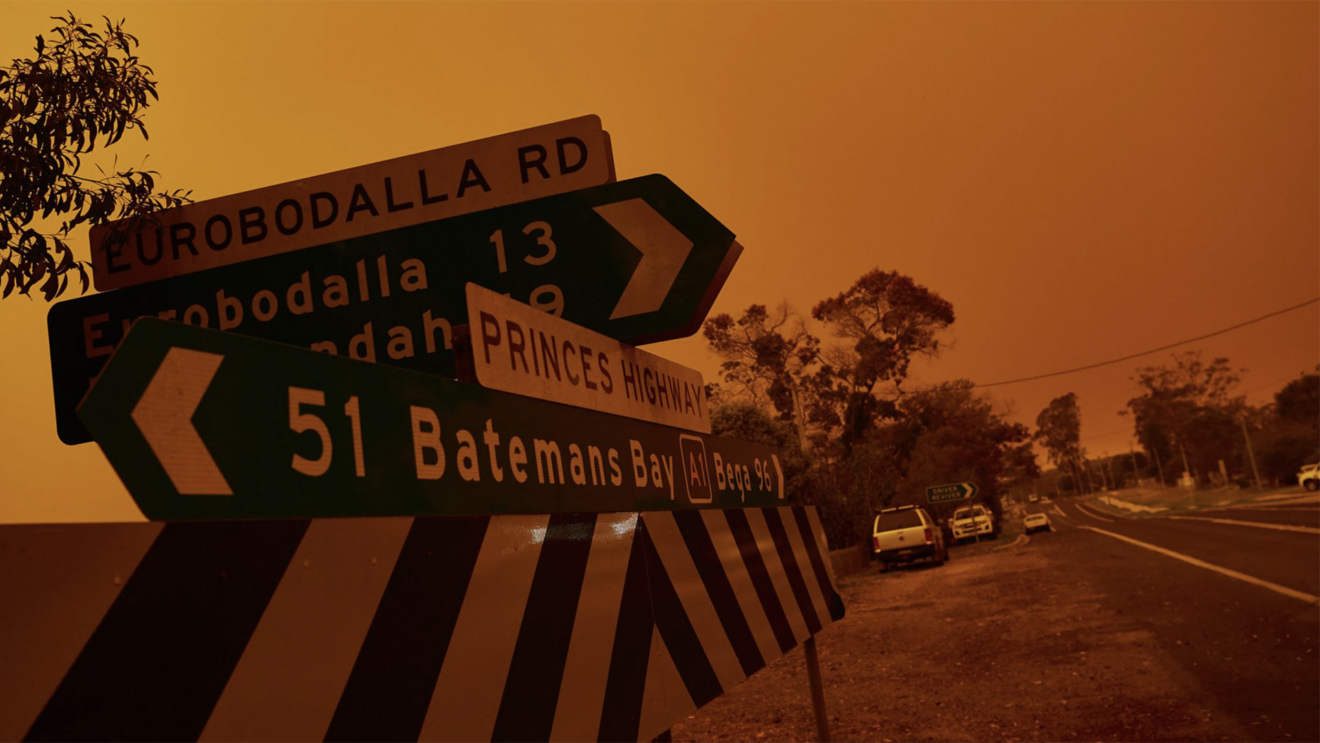
Many people leave cities during the summer holiday and head to regional or remote areas surrounded by bush. Camping, hiking and hitting the beach are quintessential Australian summer holiday activities.
But our favourite tourist hot spots are also hot spots for bushfires and floods during summer.
For example, the East Gippsland haven of Mallacoota was cut off for weeks after the Black Summer Fires of December 2019 and January 2020.
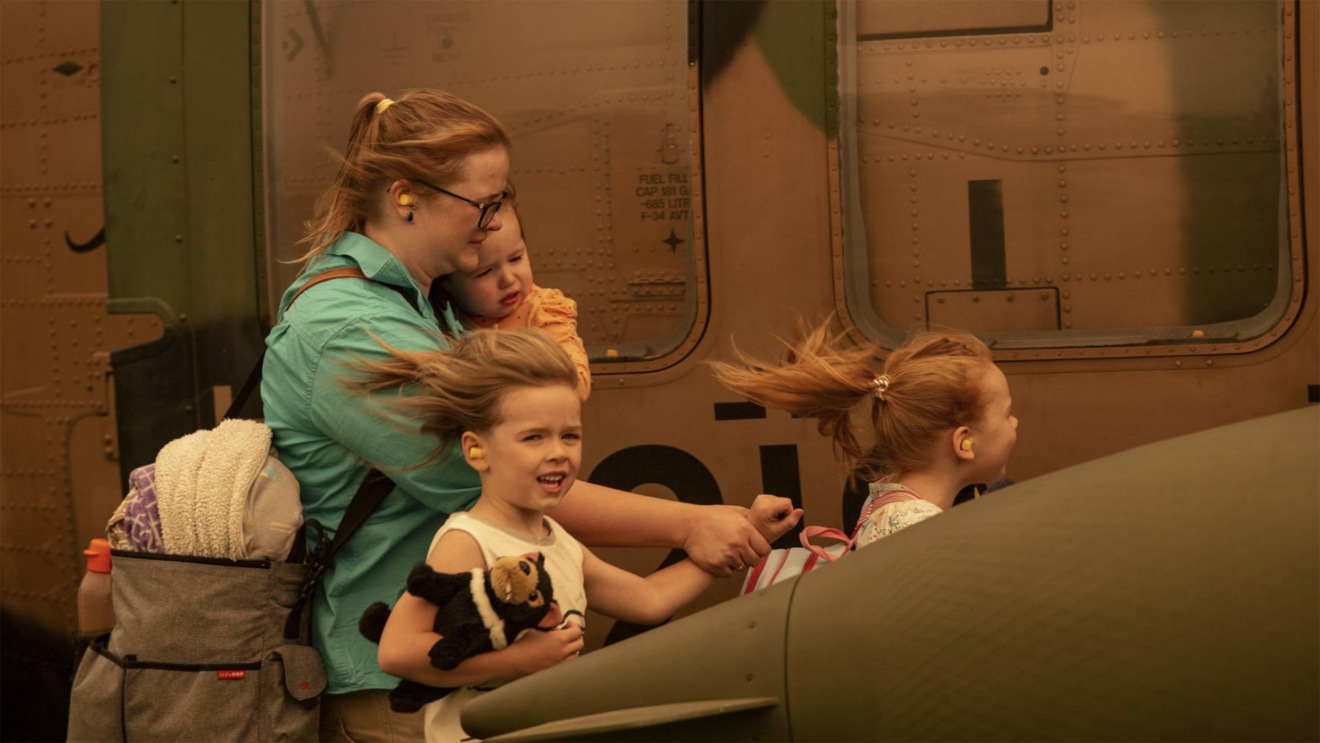
An estimated 4000 people were trapped, including 3000 tourists, and many were evacuated by the Navy and Air Force while crews worked to reopen roads. The places we go to ‘get away from it all’ are not always easy to get away from in a hurry.
Fires in the Grampians (Gariwerd) region during summer 2024–2025 burnt nearly 80 per cent of the National Park there, with extensive damage to biodiversity, cultural sites, farms and property.
The key tourist town of Halls Gap was closed for almost three weeks.
Events like these can change holiday plans and have large flow-on effects. Along with the ongoing costs of rebuilding infrastructure and the emotional impact of these disasters, tourist towns also experience prolonged economic losses as people stay away.
Some estimates suggest the Grampians fires will cost the area over AU$100 million in tourism losses. Another study calculated the 2019–2020 summer fires cost Australia’s tourism industry AU$2.8 billion.
Australia is now 1.4ºC warmer than it was 100 years ago, increasing the frequency of days with extreme temperatures and dangerous fire weather.
So, you think, let’s stay home instead. A nice, safe staycation. But our cities are also not immune to the impacts of Australia’s ‘danger season’.
Heatwaves are increasing in frequency and intensity, and because cities and regional centres don’t cool down as much overnight as greener areas, it’s much harder to escape the dangerous heat.
Without a chance to cool down at night, our bodies can experience heat stress, which can be fatal, particularly for the very young, very old and those without access to air conditioning.
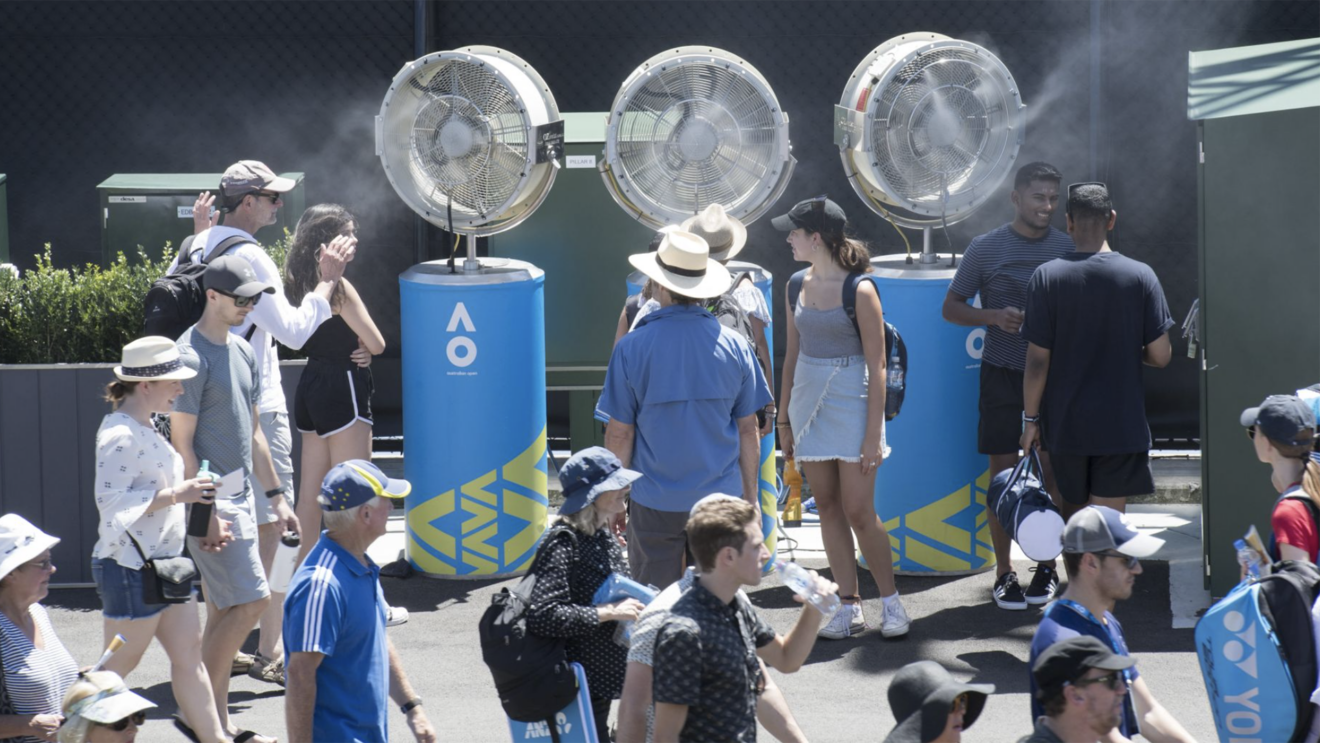
Australians love sport and the summer calendar is punctuated by major events like the Boxing Day Test and the Australian Open.
Most of us know to slather on sunscreen, pack a broad-brimmed hat and plenty of water to watch cricket or tennis from the partially shaded stands.
Our favourite athletes are capable of enduring gruelling conditions, but even the toughest human bodies have their physical limits.
You may remember the 2014 Angry Summer where temperatures reached 42°C during the Australian Open, which caused Canada’s Frank Dancevic to collapse, players to retire early and plastic drink bottles to melt on the court.
Spectators were not safe from the heat either with nearly 1000 tennis fans needing treatment for heat exhaustion.
In December 2019, the New Zealand cricket team cancelled a warm-up match against Victoria as temperatures hit 43.5°C in Melbourne and in January 2018, England’s captain Joe Root was hospitalised with dehydration and gastro after temperatures hit 42°C.
Since 2000, Melbourne has experienced three times more January days above 40°C than it did between 1970 and 2000.
And with under 2°C of global warming, Melbourne and Sydney could still experience 50°C summer days.
Climate change may force us to ask ourselves whether we can continue to hold major outdoor sports tournaments in the middle of Australia’s summer.
In fact, it’s a good idea for everyone to consider changing how we play our summer sports.
We can reduce the chance of heat exhaustion by shifting games earlier or later to avoid the hottest part of the day and take regular drink breaks.
Australian cricket captain Pat Cummins started Cricket for Climate, which aims to build climate resilience in cricket communities - so you could ask your local club what measures they are taking to adapt to hotter summers.
It’s clear that summer in Australia is a season to be respected.
But there’s a lot we can do to prepare and still get the most out of our time away from work.
Don’t wait for the first heatwave to hit: make your cooling plan now. That can mean buying a fan, having some face cloths ready in the freezer and covering any north-facing windows to minimise incoming sunlight. And make sure you think about any furry or feathered friends who might share your home.
Make a bushfire plan. The Australian summer bushfire outlook is released near the end of November and shows the areas at increased risk of fire because of past rainfall and vegetation conditions. If your holiday spot is in red, watch the weather carefully and be sure to download the relevant emergency warning app for your state.
Disconnect from bad news. Summer is generally a time to relax and recuperate at the end of the year. Exposure to heat-related disasters like bushfires is associated with an increase in mental health illnesses. The news turns to heat and climate change as the weather warms, exacerbating climate stress and anxiety. While being aware of hazards is vital, doomscrolling about disasters won’t help anyone.
Change the timing of our holidays to avoid working in peak heat. A recent study in Spain suggests shifting the summer holiday to the hottest time of the year could reduce stress on workers and students. Their holidays are in August, but the hottest time of the year is the second half of July. For Melbourne at least, we see a similar thing: late January/early February is, on average, the hottest time of year.
And perhaps most importantly, this summer, use your voice.